Start With Your Pet’s Personality
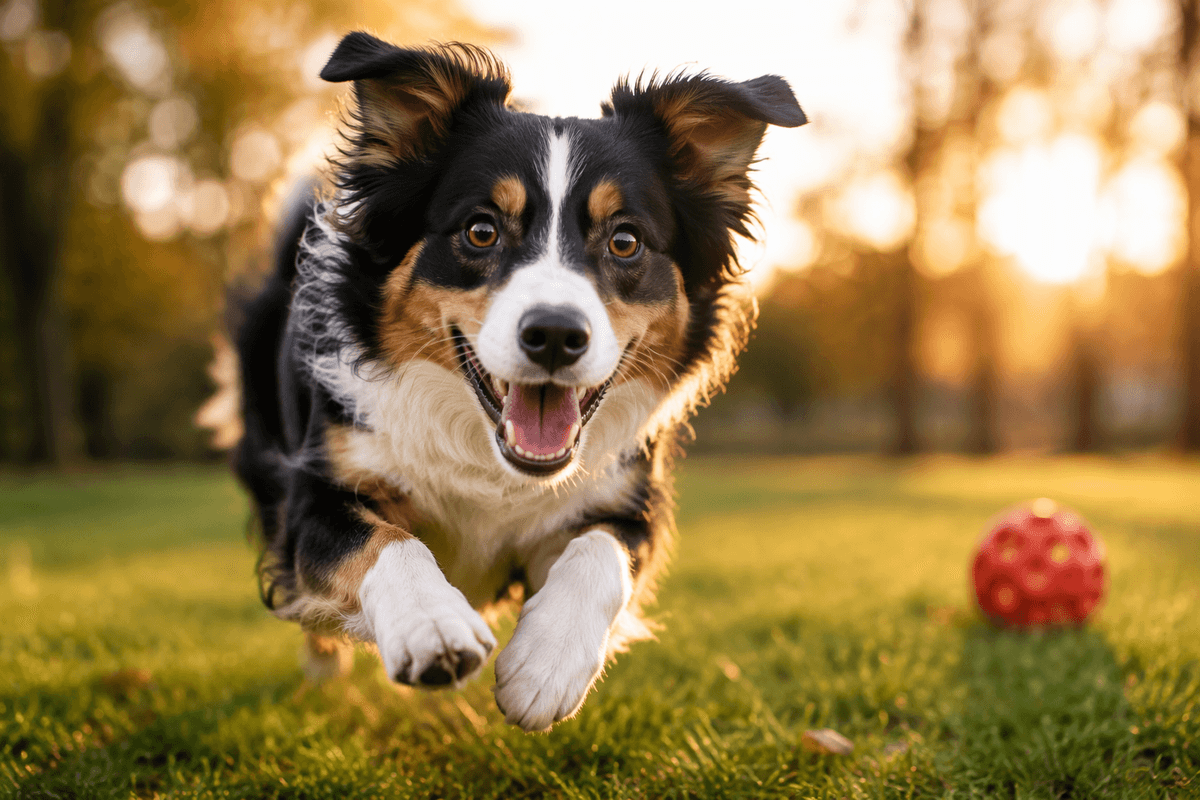
Before adjusting your camera, watch how your pet naturally behaves. A relaxed cat may look best curled up near a window, while an energetic dog may be more expressive during a game of fetch. The strongest photos usually come from these familiar habits rather than from forcing your pet into a pose.
Choose a setting that supports that personality. Use a favorite toy for a playful subject, a quiet corner for a cautious one, or a familiar resting spot for an older animal. Keep your expectations flexible: some pets will hold still for only a few seconds, and that is enough. Follow their attention, wait for a natural expression, and photograph the character they already show instead of trying to create a different mood.
Use Natural Light Whenever Possible
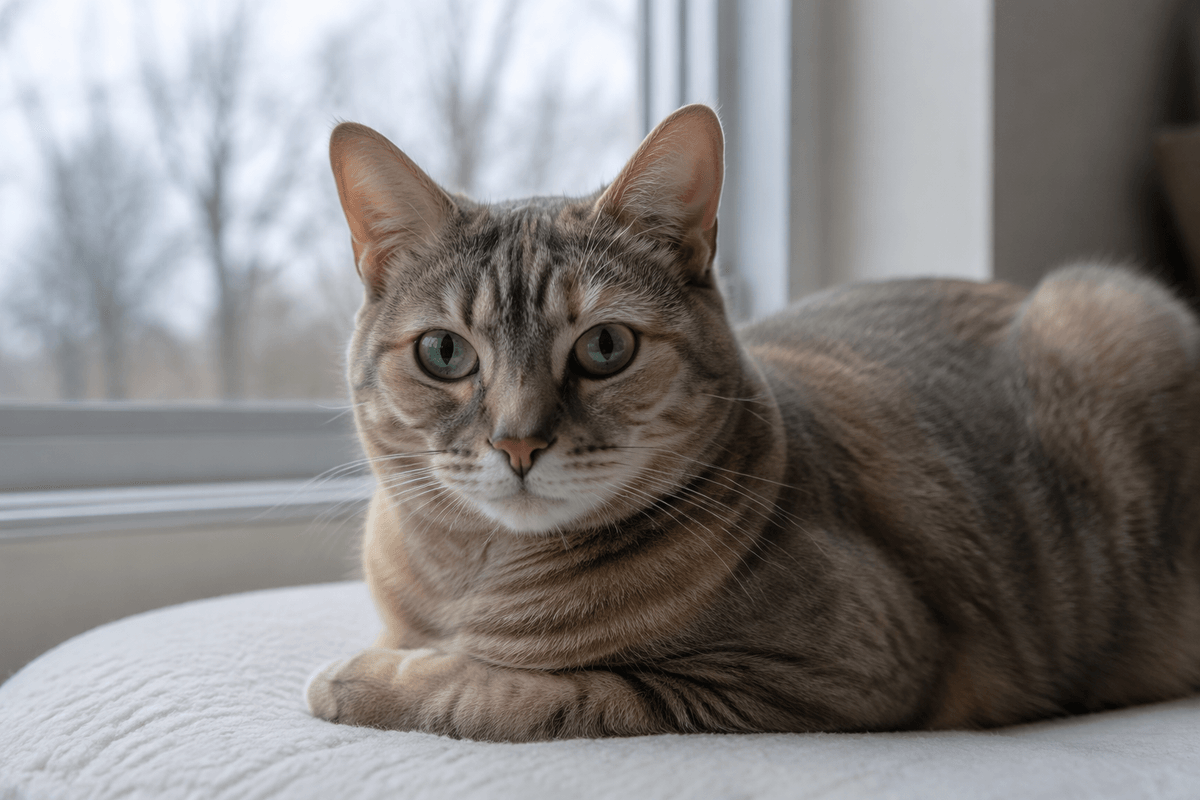
Once you know where your pet feels comfortable, look for the brightest soft light in that area. Window light often gives fur more detail and makes eyes look lively without requiring special equipment. Place your pet near the window, but avoid direct midday sun, which can create harsh shadows, squinting, and bright patches on the coat. Overcast days are especially useful because clouds act like a large diffuser.
Pay attention to the direction of the light. Light coming from the side can add shape and texture, while light from behind may leave your pet’s face too dark unless you intentionally want a silhouette. If the room is dim, move closer to the window rather than relying on the phone’s flash. Flash can startle some animals and often produces flat color, red or glowing eyes, and distracting reflections. Natural light still has limits: it changes quickly, and a moving cloud or sunset may reduce your working time. Take a few test shots, check the face and eyes, and reposition before asking your pet to settle.
Get Down to Their Eye Level
Stand or kneel so the camera is close to your pet’s eye level instead of photographing from above. This viewpoint makes the face feel more natural and helps the viewer connect with the animal. It also shows body proportions more accurately, especially with small dogs, cats, rabbits, or other low-to-the-ground pets. Move slowly and keep your distance at first so your pet does not become distracted by the camera.
Use the floor, a low step, or a sturdy cushion to reach a comfortable angle, but do not place your pet somewhere unsafe just to improve the composition. Keep the camera level when possible, and focus on the nearest eye. On a phone, tap the eye on the screen before taking the photo; with a basic camera, use a single focus point if available. A slightly lower angle can make a sitting pet look confident, while a straight-on view often captures personality best. If getting down is difficult, lower the camera as far as you safely can and crop later rather than zooming heavily, which can reduce detail and make the image look soft.
Keep Attention Without Creating Stress
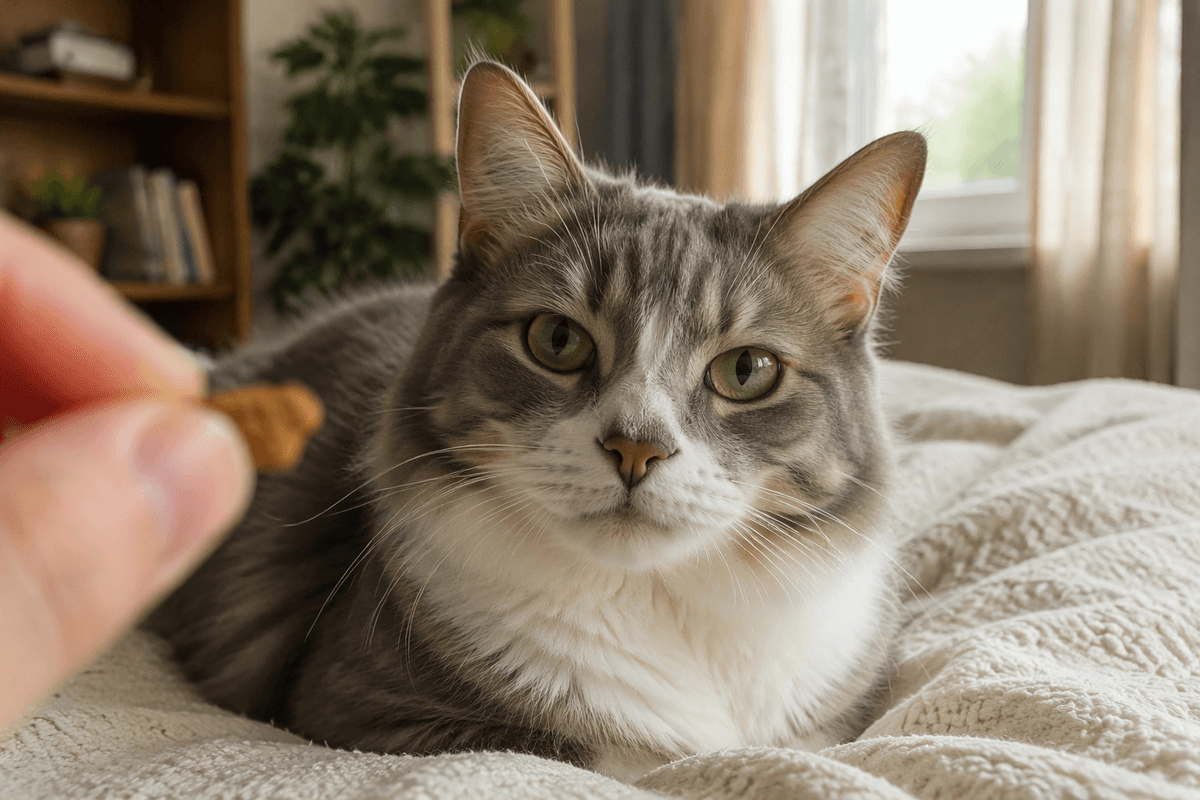
Getting your pet to look toward the camera does not require loud noises, constant commands, or repeated calls. Hold a favorite toy just beside the lens, make one quiet sound, or ask for a familiar cue such as “sit,” then take the photo immediately. Brief pauses work better than trying to maintain attention for several minutes. For cats and smaller animals, a treat held near the camera can bring the eyes forward, but keep it out of the frame unless you want it included.
Watch for signs that the session is becoming too demanding. Turning away, licking the lips, pinned-back ears, hiding, panting, or repeated yawning may indicate that your pet needs a break. Lower the camera, offer praise, and let the animal move around before trying again. Avoid using food or toys in a way that makes your pet lunge toward the camera, since sudden movement creates blur and can lead to frustration. A calm subject may give you fewer poses, but those relaxed expressions usually look more genuine than a perfectly centered photo taken under pressure.
Capture Action Before It Happens
When your pet is about to move, the best photo often comes just before the action begins. Watch for small signals such as a dog shifting weight before a run, a cat lowering its body before a jump, or ears turning toward a sound. Raise the camera, frame the likely path, and focus on the space your pet will enter rather than chasing the movement after it starts.
Use burst mode or continuous shooting when your phone or camera offers it, especially for running, jumping, shaking, or catching a toy. Keep your finger ready and take a short series instead of holding the shutter continuously; this gives you more choices without filling your storage with nearly identical frames. A faster shutter speed helps freeze motion, but it may require brighter light or a higher camera sensitivity setting, which can add grain. If the light is limited, look for a well-lit area, simplify the movement, or accept a little blur as part of the moment. Stay at eye level, leave room in front of the moving animal, and keep tracking smoothly rather than making sudden camera movements.
Simplify the Background and Composition
Before pressing the shutter, scan the area behind your pet for distractions. Cluttered shelves, bright windows, laundry, and furniture edges can pull attention away from the face. Move a few objects, change your position, or turn your pet toward a cleaner wall or patch of floor. A simple background does not need to be empty; it only needs to support the subject without competing with it.
Leave a little space around your pet, especially in the direction it is looking or moving. This makes the image feel less cramped and gives action photos room to breathe. Use the camera grid if available to keep horizons and doorframes straight, then place the eyes near an intersection rather than always centering the entire body. Check the edges before taking the shot for cropped ears, tails, or legs. If the surroundings cannot be simplified, move closer and fill more of the frame, but avoid heavy digital zoom, which can soften fur detail and make accurate focusing harder.
Choose the Best Moments, Not Every Shot
After the session, resist the urge to keep every photo that is merely sharp. Compare similar frames and look for the one with clear eyes, a natural expression, balanced space, and a pose that reflects your pet’s personality. A slightly imperfect image can be more memorable than a technically clean photo if it captures a familiar habit, playful glance, or quiet moment.
Review photos at full size before deleting them, since small previews can hide soft focus or closed eyes. Keep a few variations, but remove duplicates, awkward expressions, and images where the subject is too dark or crowded by the background. If none of the shots work, do not force more attempts immediately. Change the light, angle, or activity and try another day. Good pet photography depends as much on knowing when to stop as on pressing the shutter.