Many cancer patients experience changes in their skin during treatment, especially on the hands and feet. A common condition is hand-foot syndrome, also called palmar-plantar erythrodysesthesia, which can cause pain, redness, swelling, and heightened sensitivity. These symptoms can interfere with daily activities and lower quality of life. Learning about the causes, early signs, risk factors, and practical ways to manage hand-foot syndrome can help patients stay comfortable and maintain their usual routines throughout treatment.
What Is Hand-Foot Syndrome?
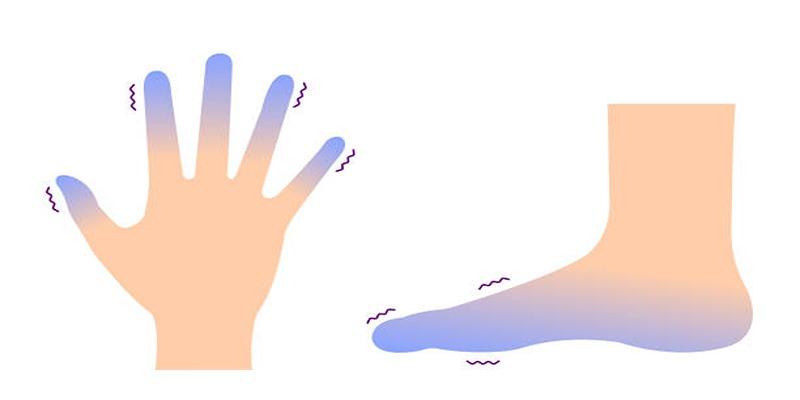
Hand-foot syndrome is a reaction of the skin, usually occurring on the palms of the hands and soles of the feet. It often develops during chemotherapy, targeted therapy, or other cancer treatments, particularly those that affect rapidly dividing cells. The severity ranges from mild tingling or redness to severe pain, blistering, or skin peeling.
Patients often report sensations such as burning, itching, or tenderness. The skin may feel tight, sore, or sensitive to touch. Everyday tasks like walking, typing, holding objects, or dressing may become uncomfortable. For some, even minor friction or heat can trigger discomfort.
The hands and feet are particularly vulnerable because they contain numerous small blood vessels, sweat glands, and nerve endings. Cancer treatments circulating in the bloodstream can irritate these areas. Continuous pressure or repetitive use—like walking long distances or frequent typing—can further worsen symptoms. Without proper care, skin may crack, blister, or become prone to infection, making early recognition and management essential.
How Cancer Treatment Causes Hand-Foot Syndrome
Hand-foot syndrome results from the effect of cancer treatments on skin cells and blood vessels. Chemotherapy and targeted medicines not only attack cancer cells but can also affect healthy, rapidly dividing cells in the skin. This disruption slows skin repair, causing irritation, redness, and tenderness, particularly in areas under frequent pressure.
Circulating medicines may leak slightly into surrounding tissues in the hands and feet. Combined with mechanical stress from walking, gripping, or repetitive movements, this leakage can amplify irritation and delay healing. Patients often notice symptoms worsen after activities that increase friction or heat, such as standing for long periods, exercising, or wearing tight shoes.
Who Is at Higher Risk
Not all cancer patients develop hand-foot syndrome. Certain factors increase the likelihood and severity of symptoms:
- Treatment type and schedule: Medicines known to cause skin reactions, high doses, or prolonged treatment schedules increase risk.
- Skin sensitivity: Individuals with naturally sensitive or dry skin may experience earlier or more severe symptoms.
- Daily habits and physical activity: Frequent walking, standing, or repetitive hand use—such as typing, cooking, or manual tasks—can intensify irritation. Tight or ill-fitting shoes also contribute.
Patients with multiple risk factors should monitor their skin closely and report early changes to healthcare providers. Early intervention can prevent progression and improve comfort.
Early Signs and Symptoms
Recognizing hand-foot syndrome early is crucial. Initial signs often include subtle tingling, pins-and-needles sensations, or mild warmth in the palms or soles. These symptoms may come and go but signal that irritation is developing.
As the condition progresses, skin may become red, slightly swollen, dry, or tender. Some patients notice a mild sunburn-like appearance. Activities that were once painless, such as walking short distances, using hands for daily chores, or wearing shoes, may cause discomfort. Advanced cases may involve peeling, blistering, or cracking of the skin, which can restrict movement and daily functioning.
The physical discomfort often carries emotional consequences. Persistent pain and reduced independence can lead to stress, frustration, anxiety, or low mood. Addressing both physical and emotional aspects is important for overall well-being.
Managing and Reducing Symptoms
Practical strategies can help minimize symptoms and protect the skin:
- Daily skin protection: Use mild, fragrance-free cleansers and lukewarm water to maintain the skin’s natural moisture barrier. Avoid hot water, which can strip oils and worsen irritation.
- Comfortable footwear and clothing: Loose, well-cushioned shoes reduce pressure on the feet. Breathable socks and gloves can add protection. Avoid materials that cause friction or irritation.
- Cooling and soothing techniques: Applying cool compresses for 15-20 minutes can relieve burning sensations and reduce swelling. Soft cloths soaked in cool water or gel packs wrapped in towels are effective options.
- Regular moisturization: Thick, gentle moisturizers applied multiple times daily keep skin hydrated and prevent cracking. Reapply after washing hands or feet to maintain the protective barrier.
- Lifestyle adjustments: Reduce prolonged standing or walking, and take breaks to elevate feet. Modify repetitive hand tasks where possible. Planning daily routines to avoid excessive pressure or friction can help manage symptoms.
In addition, communicating early with healthcare providers allows for adjustments to treatment schedules, protective medications, or topical therapies that may reduce discomfort.
Emotional and Mental Well-Being
Hand-foot syndrome can significantly impact mental health. Chronic pain, reduced mobility, and limitations in performing daily tasks can lead to feelings of frustration, helplessness, or sadness. Patients may benefit from:
- Support from family, friends, or support groups.
- Counseling or mental health services to cope with stress and anxiety.
- Mindfulness, gentle exercise, or relaxation techniques to improve mood and resilience.
Recognizing and addressing these emotional aspects is as important as managing physical symptoms.

Conclusion
Hand-foot syndrome is a common side effect of certain cancer treatments, caused by the effect on skin cells, blood circulation, and repeated stress on hands and feet. Early signs include tingling, redness, and sensitivity, which may disrupt daily life and emotional well-being.
With timely care, protective habits, lifestyle adjustments, and open communication with healthcare providers, patients can manage symptoms effectively. Understanding this condition and implementing practical steps—such as skin protection, moisturizing, comfortable footwear, and cooling techniques—can improve comfort and support overall health during cancer treatment. Awareness, proactive care, and emotional support help patients maintain independence and quality of life throughout therapy.