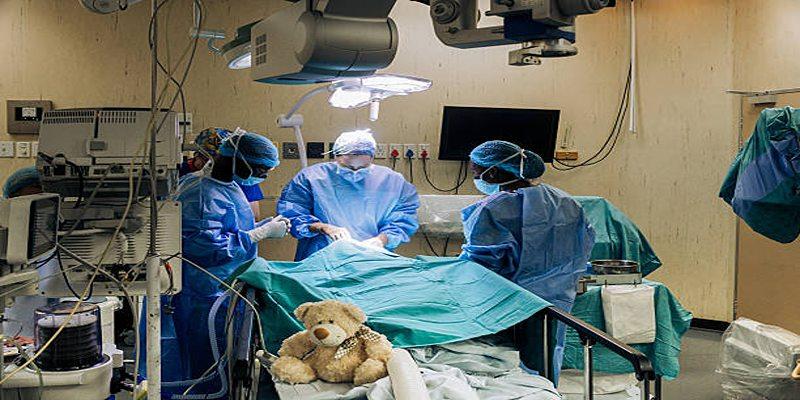
The treatment of cancer goes beyond the recovery of the physical health of a patient as it affects self-discussion, faith, and emotional health. Reconstructive plastic surgery is very crucial as part of assisting the survivors with their appearance, functioning and feeling of identity. Through satisfying physical and psychological needs, it makes people be in a position to take control back and also to resume their lives on the post-cancer front.
The Role of Plastic Surgery in Cancer Recovery
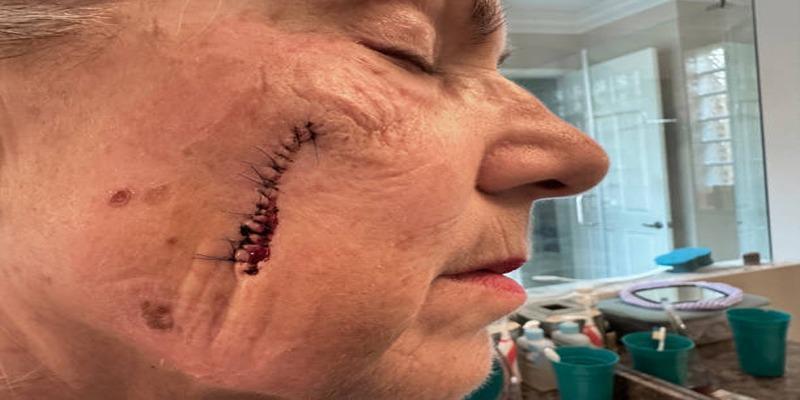
Cancer recovery through plastic surgery is mostly corrective with the aim of recovering the body following the excision or administering large doses of chemotherapy medicines. A plastic surgery is associated with aesthetic requirements, whereas reconstructive surgery context enjoys a solution in terms of structural, functional, and even emotional requirements.
Another case can be the provision of a mastectomy patient with breast reconstruction to provide a sense of balance, body image and face cancer survivor with the use of tissue to allow speech and the ability to chew and smile.
The plastic surgeons work in close consultation with the oncology teams in order to come up with a customized treatment course. This is because the decision to have the reconstruction on an urgent or a delayed basis will depend on the health of a patient, his or her treatment plan and exact surgical needs.
Emotional and Psychological Impact
The efficient effects of cancer surgery are usually as problematic as the physical impact. Changes to appearance may lead to anxiety, depression and social withdrawal of the patients. Reconstructive plastic surgery has the potential of assisting these problems by:
- Regaining self-confidence: Physical recovery can assist patients to be at ease within social and work practices motivating them to recommence their lives.
- Lessening reminders of sickness: When performing reconstructive procedures, successive construction takes place in ways that economize on visual patient acknowledgement as the patient can progress without constant eyes on the symptoms of their illness.
- Improving mental health: Positive improvement in body-image helps in resilience, stress reduction and general psychological restoration.
Studies continually show an increase in the quality of life of the patients who undergo the reconstructive surgery over that of patients who do not. Emotional recovery is supported in case patients think that their appearance shows their strength and new sense of self.
Common Reconstructive Procedures
Depending on the parts of the body that have been affected by the cancer, and the needs of the person, plastic surgery methods of obtaining cured have demonstrated significant differences:
- Breast reconstruction: It can be done using an implant and they can be autologous tissue reconstruction that proposes using tissue found on the abdomen, back, or thigh of the patient and a hybrid of the two, using implant and tissue flaps. Such interventions are meant to reinforce the natural form, symmetry and depth.
- Facial reconstruction: A tumor on the face or facial trauma can need construction to be done to restore symmetry, functionality, and areal quality. The microsurgery helps the surgeons to transplant by precision and important functions of the face are kept.
- Skin grafts and tissue flaps: Surgeons can apply the skin grafts or tissue flaps to cover the skin wounds after skin cancer treatment, or large excisions where the surgeons strive to heal the wounds and minimize the scarring.
- Reconstruction of limbs: Clients that experience surgery to treat bone or muscle cancer in the limb can receive vehicle reputations that eventually allow them to be fully functional with reasonable strength and power.
Every surgical case is very customized with critical factors of tissue availability, further treatment and outcomes wished.
Technological Advancements Enhancing Outcomes
Contemporary reconstructive surgery has enjoyed significant advancements in technology. Microsurgery enables the surgeons to reconnect fine blood vessels and nerve tissues and tissue to create complex reconstructive measures with a better success of transplanted tissue. Surgical planning software and three-dimensional imaging helps to map a better outcome before the operation so that the results are symmetrical and lifelike.
Less invasive procedures have also changed the process of healing, minimizing the possibilities of scarring, it minimized the risk of complications, and shortened hospitalization. However, these innovations offer much more than just an increased amount of physical outcomes, as they also lead to the emotional well-being of patients, offering them a less invasive and easier experience during recovery.
Timing and Integration with Oncology Treatment
This is because identification of the timing of reconstruction is crucial to its success. Reconstruction is instantly done alongside surgery of the cancer patients, that decreases the number of procedures and may provide immediate emotional comfort as well. Incipient reconstruction can be taken up when supplementary therapies, including chemotherapy or radiations treatment are needed; they may affect the healing of tissues and a successful surgery.
The plastic surgeons liaise with oncologists to help determine the best surgical option to augment the comprehensive treatment plan. It is a multidisciplinary methodology, which enables the patients to get a combined form of care, which considers their survival and quality of life.
Preparing for Reconstructive Surgery
A reconstructive journey is important and must be prepared. Patients should:
- Set expectations: In England with the surgical team to negotiate goals, likes and dislikes developing a realistic and personalized plan.
- Stay informed of the process: Get to know the operation, risk factors, estimations of recovery period and the prognosis.
- Maximize health: Healthy nutrition, exercise and underlying illness manage the recovery and reduction of complications.
- Get counseling: Through peer groups, counseling, or therapy, one will learn how to cope or manage anxiety and be reluctant to the changes before it comes in their lives.
An educated patient can be more involved in making of the decision and take an active part in the treatment after surgery.
Benefits on Quality of Life
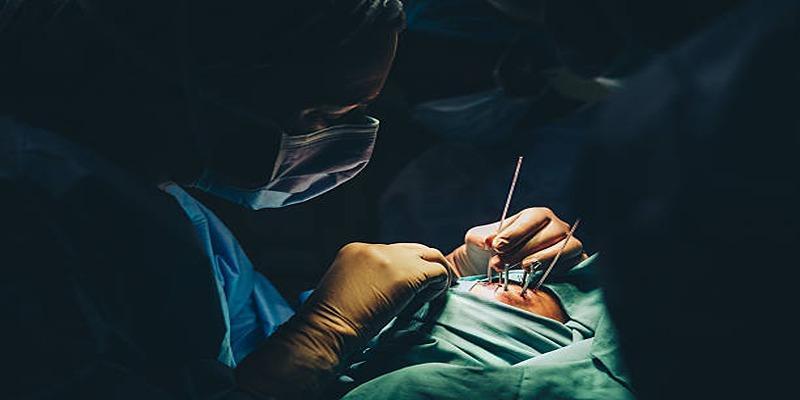
Reconstructive plastic surgery significantly enhances the overall quality of life for cancer survivors. Beyond restoring physical appearance, it empowers individuals to regain independence, confidence, and a sense of normalcy. Patients often report:
- Renewed motivation to participate in social and community activities.
- Increased confidence in professional and personal interactions.
- Greater adherence to follow-up medical care and healthy lifestyle habits.
These benefits underscore the essential role of reconstructive surgery in comprehensive cancer recovery, highlighting its impact on physical, emotional, and social well-being.
Support Systems and Resources
Strong support networks contribute to successful recovery. Key resources include:
- Medical teams: Coordinated care from surgeons, oncologists, and rehabilitation specialists ensures optimal outcomes.
- Peer support groups: Connecting with others who have undergone similar procedures offers encouragement and practical advice.
- Counseling and mental health professionals: Therapy addresses anxiety, depression, and body image concerns.
- Educational resources: Workshops, online platforms, and informational materials empower patients to make informed decisions about their care.
These resources help patients navigate recovery with confidence, addressing both physical and psychological needs.
Conclusion
Plastic surgery is an essential component of cancer recovery, providing survivors with the tools to rebuild both body and spirit. Through restoring appearance, function, and confidence, reconstructive procedures enable patients to move beyond their diagnosis and embrace life fully. With advancements in surgical techniques, careful coordination with oncology care, and robust emotional support, reconstructive plastic surgery serves as a vital pillar of holistic healing.