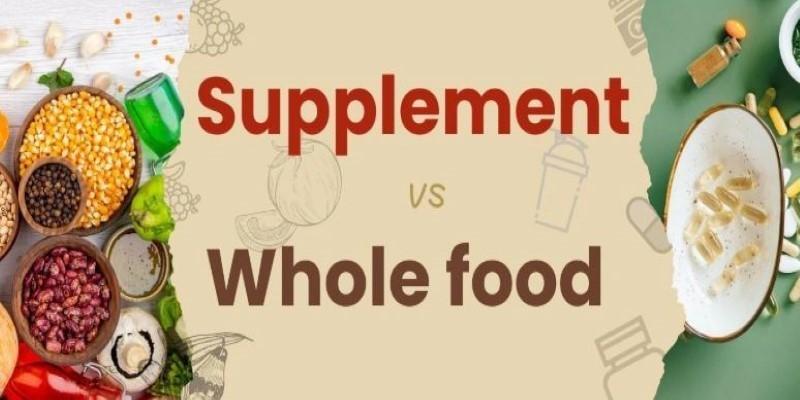
Nutrition guidance often contrasts dietary supplements with nutrients obtained through whole foods. Clinics encounter this discussion daily, especially during chronic disease management and recovery planning. Tablets, powders, and fortified drinks promise precision dosing. Whole foods deliver nutrients within complex biological structures. Each approach influences absorption, safety monitoring, and patient adherence. Dietitians, physicians, and nursing staff evaluate both options while reviewing laboratory markers, medication lists, and dietary history. Clear comparison guides treatment decisions within nutrition counseling sessions across hospitals and clinics.
Biological Complexity of Nutrients Found in Whole Foods
Whole foods contain vitamins, minerals, fiber, enzymes, and phytochemicals arranged within natural cellular structures. Digestion releases these compounds gradually. Gastrointestinal processes break down plant cell walls, allowing nutrients to interact with digestive enzymes and bile acids. This interaction shapes absorption patterns inside the small intestine.

Hospital dietitians often observe this effect during recovery after gastrointestinal surgery. A patient recovering from bowel resection may tolerate small portions of soft vegetables and grains before concentrated supplements. The food matrix slows nutrient release, reducing sudden shifts in blood glucose or electrolyte levels. Laboratory monitoring sometimes confirms steadier metabolic responses compared with high dose isolated nutrients.
Micronutrients inside whole foods often appear alongside compounds that improve utilization. Vitamin C enhances iron absorption from plant sources. Fat present in avocados or nuts supports uptake of fat soluble vitamins such as A, D, E, and K. Clinical nutrition teams account for these interactions during meal planning in inpatient wards. Whole foods still present limitations.
Appetite loss, swallowing difficulty, or restricted diets may prevent adequate intake. Oncology units encounter this problem frequently. Chemotherapy related nausea reduces food consumption, leaving nutrient gaps that regular meals cannot correct quickly. In such settings, physicians evaluate laboratory results and caloric intake records before adding targeted supplementation.
Precision Dosing and Clinical Use of Supplements
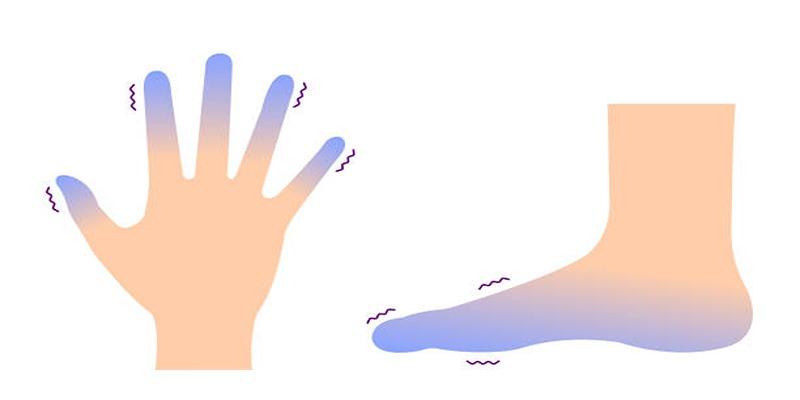
Supplements sit in a different lane than food. They deliver single nutrients in known doses through capsules, powders, liquids, and, in some cases, injections. In the clinic, they often enter the plan after lab work flags a clear gap. Vitamin B12 is a common example. Low serum levels paired with tingling, gait changes, or cognitive fog can prompt immediate replacement.
Oral high dose B12 may work for many cases, while intramuscular injections are used when absorption is unreliable or symptoms are severe. Hospitals lean on supplements during acute illness as well. In intensive care, enteral formulas provide tightly measured vitamins, minerals, protein, and fat for patients unable to eat after stroke, trauma, or major surgery. Consistent nutrient profiles make it easier to match intake to fluid limits, kidney function, and daily labs.
Safety still requires follow through. Fat soluble vitamins can build up over time, and excess vitamin A can strain the liver. Medication timing matters too. Calcium can blunt the absorption of some antibiotics, and iron can disrupt thyroid dosing. Pharmacists commonly space these products across the day so lab values finally move in the right direction. Documentation helps; supplement lists updated each visit quietly prevent duplication, interactions, and accidental overdosing.
Absorption Differences Observed in Clinical Nutrition Practice
Absorption can shift dramatically depending on the nutrient form. A capsule releases a concentrated dose into the gut within minutes, while a meal arrives bundled with fiber, protein, and fat that slows stomach emptying and spreads uptake over time. That pacing matters in day to day care. Medication timing and hydration status can change absorption patterns.

In diabetes clinics, dietitians sometimes spot unexplained glucose spikes after “vitamin” gummies or powdered mixes. Many products use sugar or fast carbohydrates as carriers. Continuous glucose monitors may show a sharp rise after the supplement, then a drop, while the same micronutrients eaten with beans or fruit produce a flatter curve and fewer correction doses.
Malabsorption adds another layer. With celiac disease, damaged villi reduce surface area, so iron or vitamin D from food may not correct labs despite careful meal planning. Teams often select specific formulations, such as liquid iron or higher potency vitamin D, then recheck ferritin and 25(OH)D after a predictable interval to confirm response.
Older adults face different barriers. Lower stomach acid can limit release of vitamin B12 from food proteins, and long term acid suppressing medications can worsen the issue. Clinicians may use fortified foods, oral B12, or periodic injections, guided by methylmalonic acid, symptoms, and follow up testing.
Balancing Dietary Patterns and Supplement Strategies
Care plans in real clinical settings rarely treat supplements and food as competing choices. Most protocols blend both, shaped by lab results, medication timing, symptoms, and what consistently makes it onto the plate. Dietitians often start with a detailed intake record, then match gaps to measurable markers such as ferritin, vitamin D, or B12, while scanning for drug nutrient conflicts that can blunt results.
In community clinics, iron deficiency anemia is a routine example. Oral iron may be started to raise stores efficiently, but meals still matter. Legumes, cooked greens, and vitamin C rich produce are built into the plan to support absorption and help maintain levels once hemoglobin stabilizes. Follow-up labs guide tapering or continuation. Pregnancy adds another layer. Prenatal supplements standardize folate, iodine, and iron, yet food remains the main source of energy, protein, choline, calcium, and fiber.
Obstetric teams reinforce practical meal patterns rather than relying on pills alone. Tolerance and adherence often decide success. Mineral tablets can trigger nausea or constipation. Dividing doses, switching formulations, or pairing supplements with meals can reduce side effects. Documentation in the health record keeps changes clear across visits, with adjustments made as symptoms and labs shift.
Conclusion
Whole foods deliver nutrients in complex biological forms that interact during digestion. Supplements supply targeted doses that correct measurable deficiencies. Clinical practice combines both tools according to medical condition, laboratory findings, and dietary intake. Hospitals, clinics, and community programs rely on this balanced strategy. Food based nutrition forms the foundation of long term health support. Supplements remain valuable during deficiency treatment, illness recovery, and restricted intake. Careful monitoring ensures safety and appropriate dosing across different patient populations.