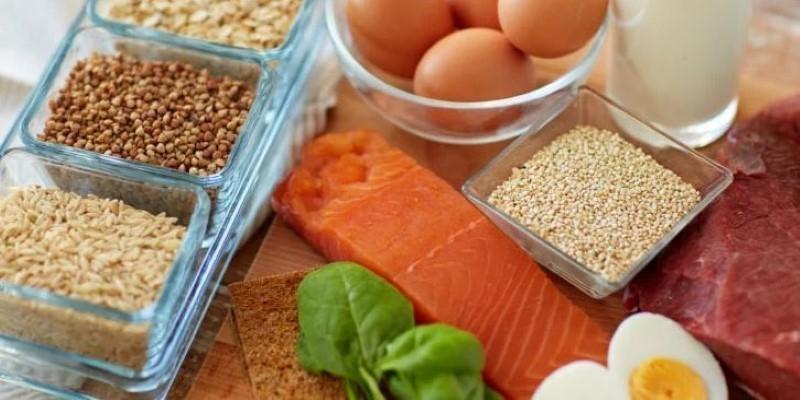
Protein intake remains a common topic in nutrition guidance and clinical diet planning. Daily requirements differ across age groups, activity levels, and medical conditions. Hospitals and outpatient clinics often assess protein intake during nutrition screening, since low intake can slow recovery after surgery or illness. High intake without medical oversight may strain kidney function in vulnerable patients. Clear intake targets help clinicians structure meal plans and support tissue repair, immune response, and muscle maintenance during routine health management and rehabilitation.
Baseline Protein Requirements in Adult Health
Protein targets in clinical nutrition usually start with body weight. Many diet references still use about 0.8 grams per kilogram per day for healthy adults, but clinicians treat that number as a starting line, not a finish line. In practice, the first step is figuring out what intake looks like on an ordinary week, then matching it to medical history, weight changes, and day-to-day function.
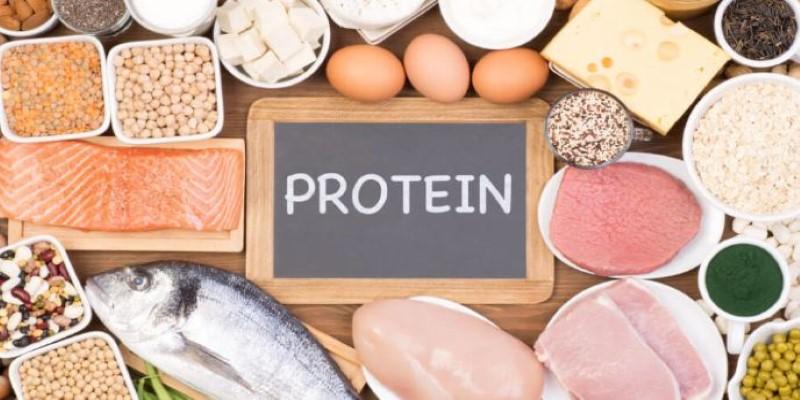
In primary care, food logs often show a familiar pattern, meals built around bread, rice, pasta, or snack foods, with protein appearing in small amounts or only at dinner. Over time, that gap can show up in subtle ways. Grip strength slips. Stairs feel harder. A physical exam may pick up reduced muscle tone before lab work changes. In the hospital, the problem often shifts from food choice to low appetite. After days of illness or bed rest, patients may only manage a few bites at a time.
Dietitians respond by spreading protein across meals and snacks so the body gets a steadier supply for muscle maintenance and tissue repair, rather than one large dose late in the day. That baseline changes fast when medical factors enter the picture. Kidney function, liver markers, digestive tolerance, and medication effects all shape the safest range, especially before increasing intake.
Increased Protein Needs During Illness and Recovery
Illness changes how the body uses protein. After major trauma, severe infection, or surgery, stress hormones and inflammation push muscle and other tissues into a breakdown state, raising daily needs. In hospital care, dietitians often move targets above maintenance levels, commonly around 1.2 to 2.0 grams per kilogram during recovery, with the exact range tied to clinical severity and current nutrition status.
Postoperative wound healing shows the impact. After abdominal surgery, new tissue formation depends on collagen, and collagen production relies on a steady supply of amino acids. When intake falls short, incision edges may look slow to seal, drainage can persist longer than expected, and surgeons may request a nutrition consult during follow up to tighten the plan.
Extended bed rest adds another layer. In intensive care, measurable muscle thinning can occur within days, making rehabilitation harder once patients begin moving again. Higher protein meals, paired with early physical therapy when medically safe, can support rebuilding during step down care.
Tolerance often limits progress. Nausea, delayed gastric emptying, or poor absorption can make regular meals unrealistic, so tube feeding formulas with defined protein density are used to meet targets without worsening gut symptoms. Kidney markers such as blood urea nitrogen and creatinine still need routine review, since some patients cannot handle aggressive protein increases safely.
Protein Intake and Age Related Muscle Loss
Aging introduces a gradual decline in muscle mass known as sarcopenia. This process begins in midlife and progresses across later decades. Reduced muscle strength contributes to fall risk, slower walking speed, and prolonged recovery after injury.

Geriatric clinics often identify inadequate protein intake during nutritional assessments. Appetite tends to decline with age, and dental problems can limit the consumption of certain foods. Meals may shift toward softer carbohydrates with minimal protein content. Over time, this pattern accelerates muscle reduction.
Dietitians working in long term care facilities track protein intake closely. Standard recommendations for older adults often reach 1.0 to 1.2 grams per kilogram of body weight. This increase compensates for reduced efficiency in muscle protein synthesis. Aging muscle tissue requires stronger dietary stimulation to maintain growth signals.
Meal timing plays a meaningful role. Care staff frequently distribute protein evenly across breakfast, lunch, and dinner. A protein rich breakfast can support mobility programs conducted during morning physical therapy sessions. Rehabilitation teams often note stronger participation in exercise routines when morning protein intake improves.
Swallowing disorders create additional complications in advanced age. Modified texture diets sometimes reduce protein density. Dietitians address this issue through fortified foods or oral nutrition supplements designed for dysphagia management.
Evaluating Protein Intake in Clinical Practice
Protein assessment in real clinics rarely starts with a calculator alone. Dietitians look for patterns, a falling weight curve in the chart, meals left untouched on the tray, a patient reporting early fullness, a physical therapist noting slower sit to stand. Those details often explain more than a single gram per kilogram target.
Many hospitals run a malnutrition screen at admission, such as the Malnutrition Screening Tool. A positive result usually triggers a full assessment within 24 hours, before low intake erodes strength and delays wound repair. In outpatient visits, food recall and supplement use are reviewed, then cross checked with exam findings. Albumin and prealbumin can add context, yet infection, inflammation, and fluid shifts can push numbers up or down without reflecting intake.
Visible muscle loss at the shoulders, thighs, or temples, along with declining grip strength, may carry greater weight. Kidney disease makes protein planning more delicate. Earlier stages often allow moderate intake; later stages may need limits to reduce uremic waste. Education then turns targets into meals, using familiar foods, portion cues, and realistic steady follow up.
Conclusion
Protein needs shift with age, activity, and health status. Clinical plans avoid one fixed number, instead using weight trends, appetite, muscle changes, labs, and medications to set a workable target. During illness or after surgery, adequate intake can support tissue repair and preserve strength. Spreading protein across meals tends to improve tolerance and muscle use. Ongoing review matters, since fatigue, poor intake, and gradual weight loss can appear before complications do.









![5 Best Paid Surveys for Kids and Teens [Online Surveys]](static/image/2026/05/11/1945571a-d94c-4f6c-9d81-a136672793d2.png)