Artificial sweeteners are often used as a sugar substitute, offering sweetness without the extra calories. They're found in many diet drinks, snacks, and tabletop packets, appealing to those looking to manage their weight or blood sugar. However, experts still debate the long-term safety and health effects of these sweeteners.
Understanding Artificial Sweeteners
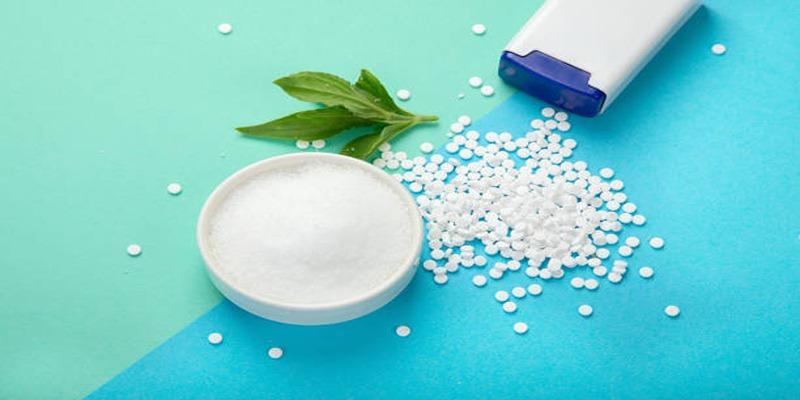
Artificial sweeteners are synthetic chemicals designed to mimic the taste of sugar without the added calories. Because they are hundreds of times sweeter than natural sugar, only a tiny amount is needed.
Aspartame, saccharin, and acesulfame potassium are usually used as common artificial sweetener. They are all authorized to be consumed by food safety organizations in different parts of the world and there are stringent requirements on the acceptable amount of each which is set to guarantee use among consumers.
Since artificial sweeteners do not improve decay in teeth, like sugar, and their effects on blood sugar are minimal, they are beautiful to the population who are interested in regulating their energy levels. Their synthetic nature and metabolic routes, however, are different compared to the natural sugars and this makes one wonder the potential long-term impact.
Potential Benefits of Artificial Sweeteners
Having said that, artificial sweeteners have a number of benefits bearing in mind they are used in a responsible manner:
Weights Management:
These alternatives do not contribute to increasing the number of calories and are of help in lowering the total energy consumption by offering the feel of sugar. Substituting the intake of drinks with artificial ones sweetened by artificial sweeteners can reduce calorie intake; a factor in slimming the weight or sustaining weight.
Blood glucose management:
Since they do not trigger the sharp rises in the blood sugar levels, artificial sweeteners can be recommended to those who need to monitor the sugar levels in their body within the frame of such a nutritional program.
Dental Defense:
Contrary to sugar artificial sweeteners do not give nourishment to bacteria causing cavities, so the chances of one developing tooth decay are less. This will make them a victim of choice when it comes to keeping the teeth healthy.
Flexibility in the Diet:
Sweeteners allow individuals to experience the satisfaction of sweet tastes yet will maintain the level of calories in the diet, contributing to the attempt to limit the consumption of added sugar in food.
The Ongoing Safety Debate
Although it is clear that artificial sweeteners have many health advantages, they are the subject to questions. Literature has definitively studied their possible associated health risks, with divergent outcomes.
Authorities including the U.S. Food and Medicine Administration and European Food safety Authority have ruled that approved sweeteners are safe to take as long as enough has been taken. These regulations have got rather huge safety margin, implying that diets that are made up of average consumption are unlikely to be harmful.
However, some studies have raised questions about potential impacts on metabolism, appetite control, and the gut microbiome. While the evidence is not yet conclusive, these findings highlight the need for further research to understand their long-term implications.
Impact on the Gut Microbiome
Recent scientific studies considered the relationship between artificial sweeteners and the microbiome of the gut, which is of great importance in digestion, immunity and health in general. According to some studies, some sweeteners can interfere with the gut bacteria which can have an impact on metabolic processes and gastrointestinal well-being.
These results are still preliminary and more extensive studies are still required to determine the clinical relevance of such changes. However, this point illustrates the ambiguities of interaction of synthetic sweeteners with the human body.
Influence on Appetite and Eating Behavior
One of the complaints that are frequently raised about artificial sweeteners is how they influence the application of appetite and food preferences. Since the sweeteners turn out to be nutrient free and calorie free yet give the body the sensation of being full, some researchers allege that they could tamper with the normal body signal of food and satiety. Such an effect might hypothetically cause shoulder eating or a craving toward meals with a number of calories that are high.
There is conflicting empirical research on this matter. Some studies point to the benefits of artificial sweeteners, which add to a lower calorie intake and other studies indicate that this might make them add to compensatory eating. The individual reactions are seen to differ depending on the dieting, behavior patterns and the general nutrition.
Psychological Considerations
There's also a psychological element to artificial sweeteners. People who regularly consume artificially sweetened products may subconsciously justify eating other high-calorie foods—this is known as the compensation effect. For example, if someone chooses a zero-calorie drink, they might feel entitled to a large dessert. Therefore, mindful consumption is crucial. Artificial sweeteners should be part of a broader nutritional strategy, not a free pass for unrestrained eating.
Natural vs. Artificial Sweeteners

Some alternative consumables to synthetic sweeteners, including monk fruit extract and stevia, are of increasing popularity as naturally harvested products. These alternatives are low-calorie containing and are commonly being promoted as substitutes to sugar that are natural.
Natural sweeteners do have some advantages but the difference between natural and artificial sweetener is not necessarily the difference that makes the difference deal. To a big extent safety and effectiveness rely on moderation, general quality of diet and tolerance.
Conclusion
Artificial sweeteners offer a practical means of reducing sugar intake while maintaining flavor and dietary flexibility. They support weight management, blood sugar control, and dental health, and they are considered safe for the general population when consumed responsibly. At the same time, emerging research underscores that moderation is key. Potential effects on appetite, gut health, and metabolic processes highlight the importance of balanced consumption. Artificial sweeteners are a tool, not a solution.