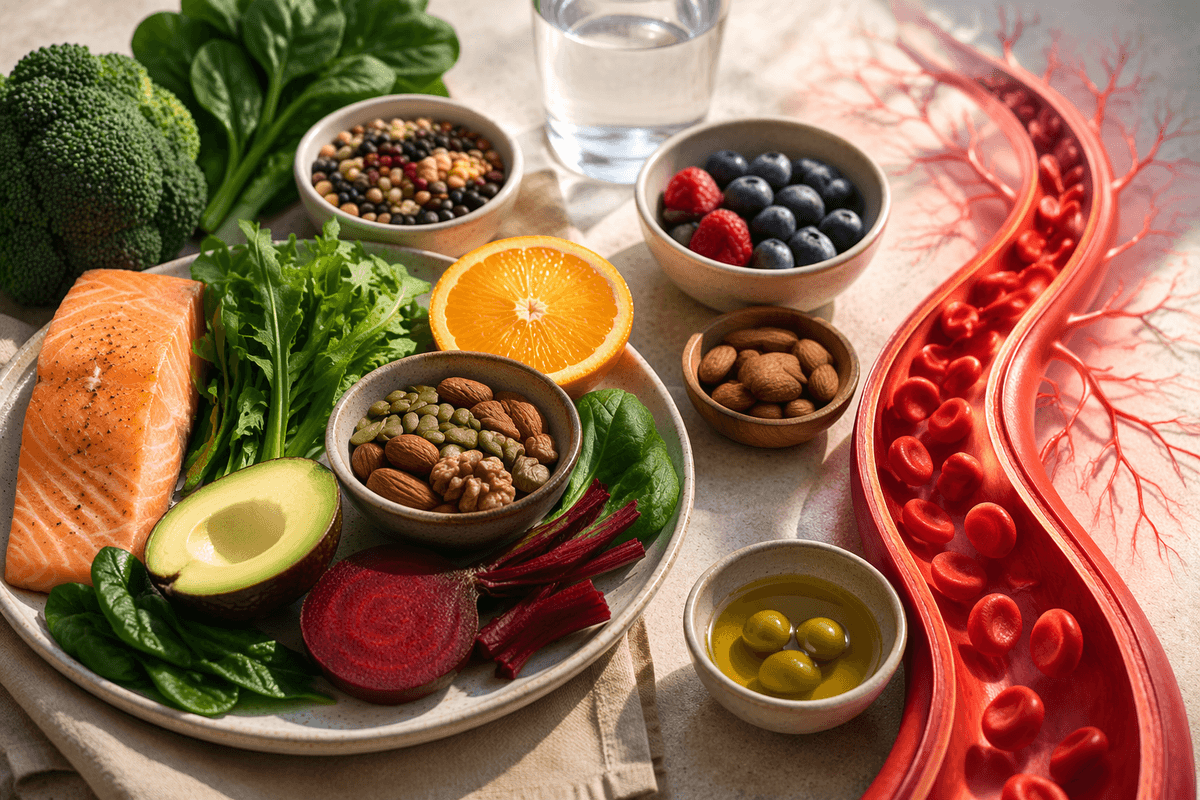
The “light meal” idea often misleads digestion
It can be confusing when your stomach feels “light” after a quick meal, yet your abdomen still feels tight an hour later. That mismatch often leads people to assume the meal was too big, when it may have simply been too low in the parts that help things move.
Meals that are small but mostly refined carbs or protein can leave the gut with less water-holding material to work with. Without much fiber, stool may stay drier and slower, and the normal squeezing motions of the intestines can feel less coordinated—more like stop-and-go than steady progress. In some cases, that slow-down shows up as bloat even when you didn’t eat much.
Then “light” becomes a shortcut in your head: less food should mean less backup. But digestion isn’t only about volume; it’s also about texture, water, and how the next 24–48 hours of transit is set up.
Soluble fiber turns liquids into gentler gels
You might notice that some “small” foods don’t feel small once they hit your gut—especially when they’re paired with coffee, a rushed morning, and not much water. That can make it seem like your body is reacting to the amount you ate, when it may be reacting to how the meal behaves after it mixes with fluid.
Soluble fiber changes that behavior. In the intestine, certain soluble fibers absorb water and thicken it into a soft gel. That gel can make stool hold onto moisture more reliably, so it may move with less friction and fewer sharp swings between “nothing happens” and “suddenly urgent.” It can also slow how quickly sugars and fats spread through the gut, which sometimes reduces that sloshy, unsettled feeling that gets mistaken for “my stomach can’t handle food today.”
If you’re expecting instant relief, the first day can feel inconsistent—lighter in your stomach, but not yet different in the bathroom—because the gel-building and water-shifting takes time to show up.
Insoluble fiber adds bulk, not always comfort
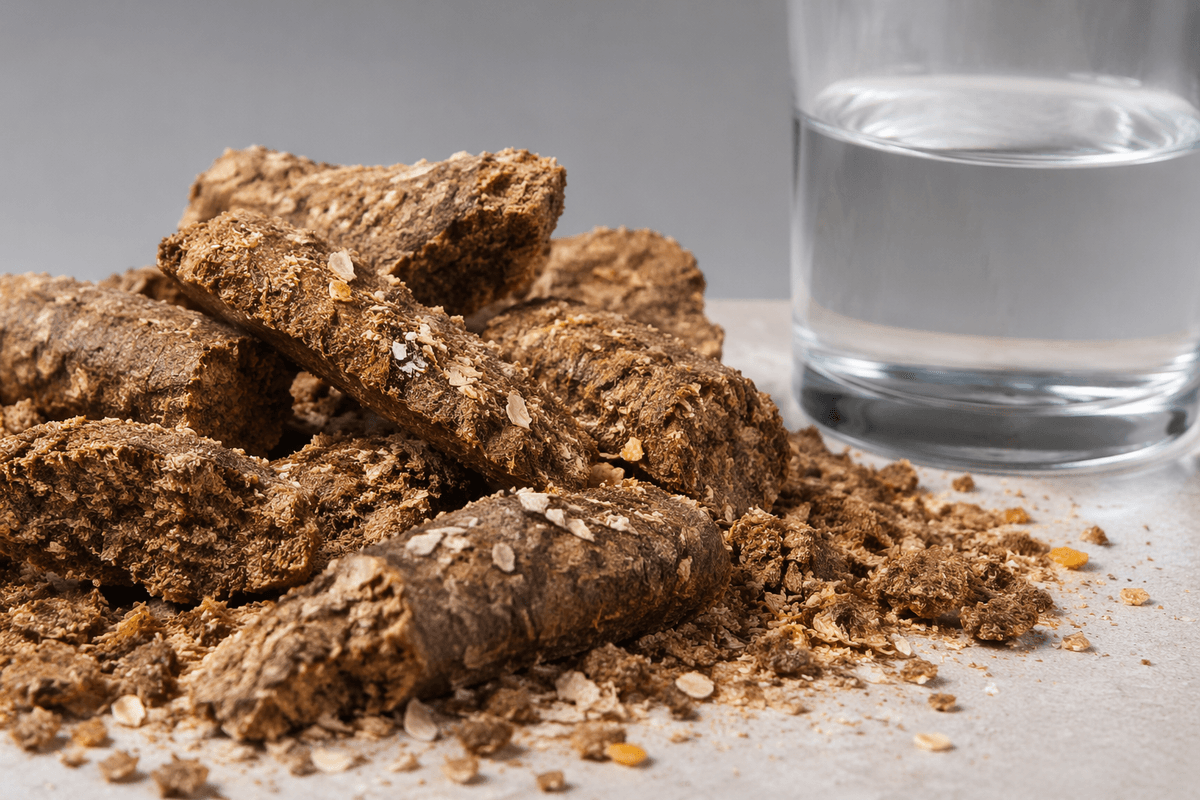
Sometimes the “extra fiber” choice is the one that makes you feel the most full in a weird way—like your lower belly is occupied, even if the meal didn’t seem large. That sensation can be confusing, especially when you were trying to feel lighter, not more packed.
Insoluble fiber tends to stay more intact as it moves through the gut. Instead of thickening liquid into a gel, it acts more like a framework that adds bulk. That can stimulate the intestine’s pushing reflex, but it also means there’s simply more material taking up space, which may feel uncomfortable if stool is still relatively dry.
When fluids are low or timing is rushed, that bulk can turn into an inconsistency: “I’m going more,” but also “I feel tighter.” It may look like your body is rejecting fiber, when it’s sometimes reacting to bulk without enough water to keep the texture soft.
Fermentation drives calmer patterns beneath the surface
Later in the day, the bloat can feel less like “fullness” and more like pressure that comes and goes. That’s often when people blame a specific food, because the sensation is real even if the portion wasn’t large. But some of that shifting pressure can come from what happens after fiber reaches the colon, not from what’s sitting in the stomach.
Certain fibers are fermented by gut bacteria—basically used as fuel—once they’re past the small intestine. As bacteria break those fibers down, they produce gases and short-chain fatty acids. The gas is the part you notice, and it can be inconsistent: one day it’s mild, the next day it’s loud and uncomfortable. The short-chain fatty acids are easier to miss, but they may support steadier movement by influencing how the colon handles water and how coordinated its contractions feel over the next several hours.
This is where the “backfire” misunderstanding can start. If fermentation ramps up quickly, the early signal is often more sensation, not more relief—so it can seem like fiber is making things worse. In some cases, the calmer pattern shows up later, once the gut has had time to shift moisture and rhythm, even though the first impression was just pressure.
High-fiber options that stay physically small
There’s a particular kind of discomfort that shows up when you’re trying to “eat better” but don’t want a big bowl of anything: you add a bulky side, and suddenly your abdomen feels more occupied than the meal looked. In that moment, it’s easy to assume fiber always equals heaviness, when some higher-fiber choices stay physically compact but still change what’s happening downstream.
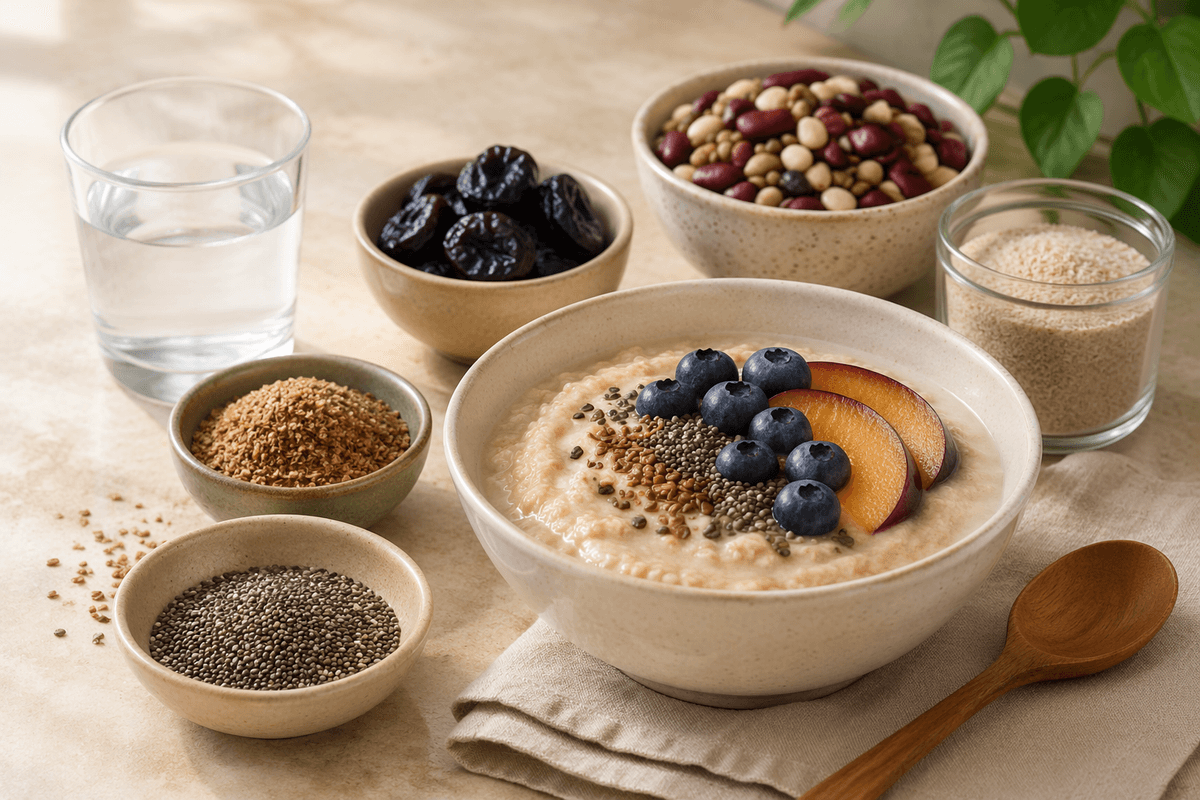
Foods like chia or ground flax can look almost too small to matter, yet they pull water into a thicker mixture as they sit in fluid. That shift can make stool softer over time without relying on large portions. Oats can do something similar, even in a small serving, because their soluble fibers tend to increase water-holding in the intestinal contents. The catch is the timing: it may feel like “nothing happened” at first, because the benefit often shows up hours later rather than right after you eat.
Other options stay small because the fiber is concentrated: a few prunes, a spoonful of psyllium mixed into water, or a small cup of beans blended into a soup instead of eaten as a pile. These can still create uncertainty, though. When fermentation-sensitive fibers ramp up quickly, the first change may be more gurgling or pressure before bowel habits feel any steadier—especially if the rest of the day is low in fluid or you’re sitting for long stretches.
A reasonable fiber upgrade that backfires quickly
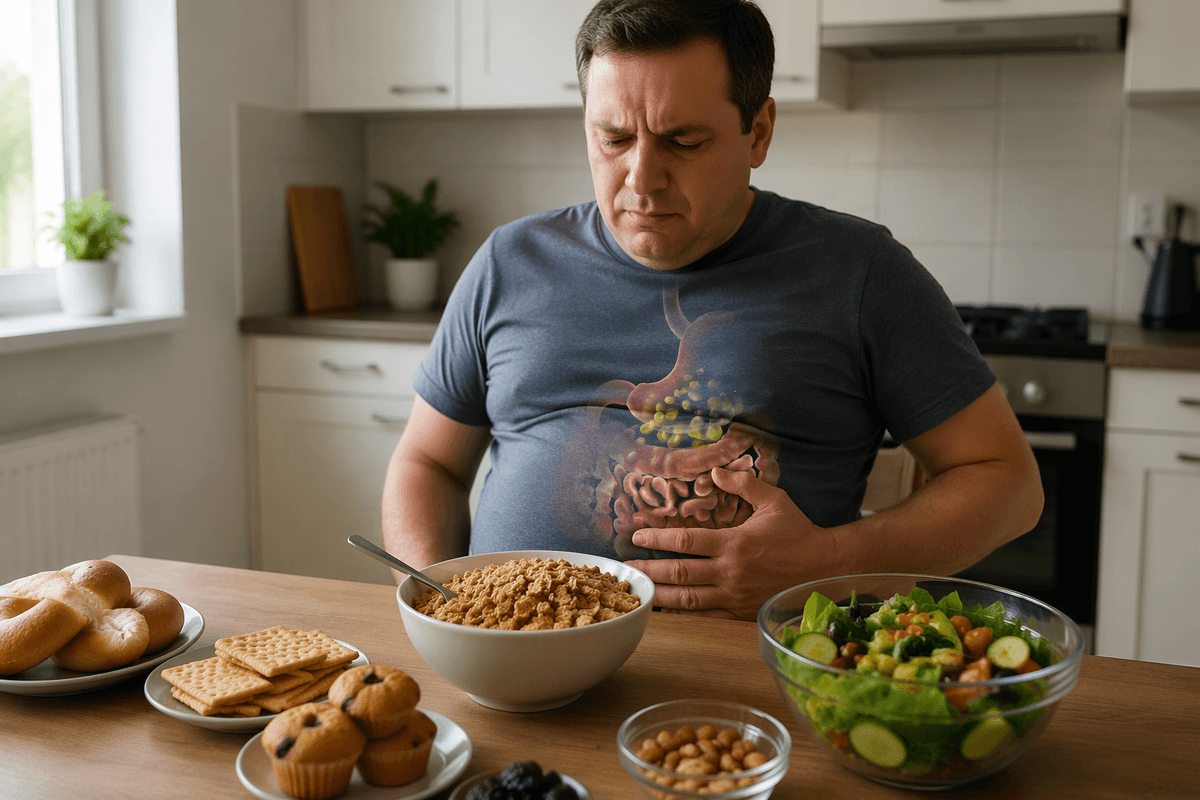
The first sign something “worked” can be a sharper kind of fullness—more gurgling, more pressure—within a few hours of what seemed like a sensible upgrade. It often happens when you swap in a high-fiber bar, a big bran cereal, or a large salad on a day your earlier meals were mostly low-fiber and dry. The portion may still look reasonable, yet your abdomen feels busier than expected.
One reason is speed. A sudden jump in fiber changes how much water gets pulled into the intestinal contents, and if there isn’t much fluid available, the texture can thicken unevenly. At the same time, more fermentable material reaches the colon, and bacteria can start breaking it down quickly—so gas shows up before stool softness or timing improves. That mismatch can feel like “fiber makes me bloated,” even if the payoff would have been clearer with a slower change.
When discomfort hits early, it’s easy to label the specific food as the problem and abandon fiber altogether, even though the bigger issue may have been the abrupt shift in bulk, water needs, and fermentation in a gut that was used to less.
Revised approach: support digestion without meal heaviness
On the days you’re trying to keep things “light,” the most frustrating part is when your stomach feels fine but your lower abdomen still feels delayed. That gap is often where people keep chasing smaller portions, even though the limiting factor may be how much water your stool can hold and how evenly the gut contents move over the next day.
A more workable shift is often about changing the texture of what’s inside the intestine without dramatically increasing meal size. Soluble, gel-forming fibers can make the mixture in the gut less dry and less patchy, which may support smoother transit with less of that packed sensation. If you add too much at once, fermentation can surge first, so you may notice pressure before you notice easier stools.
That’s why “support without heaviness” tends to look like small, repeatable additions—more consistency than intensity. If the pattern stays uncomfortable or bowel changes persist, it may be worth checking in with a clinician rather than assuming you just “can’t handle fiber.”