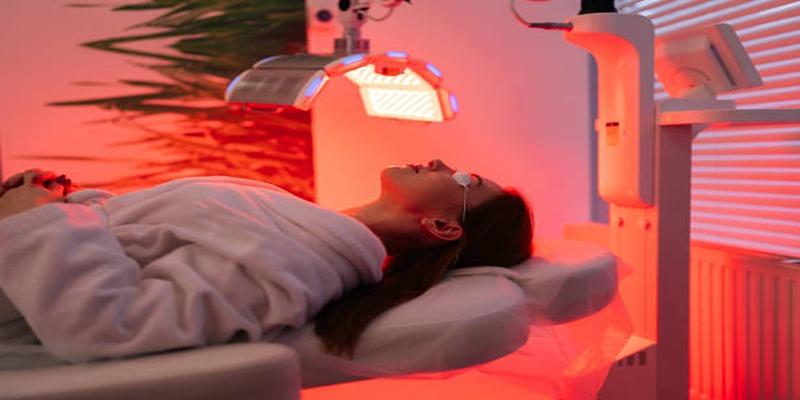
Light therapy has become an increasingly popular, non-invasive approach to improving skin health. By using controlled light wavelengths, it can support the skin’s natural repair processes, reduce inflammation, and improve overall appearance. Although it is not a cure-all, many people find light therapy helpful for managing common skin concerns such as acne, redness, eczema, psoriasis, and uneven skin tone. Understanding how it works, its benefits and risks, and who can benefit most is essential for safe and effective use.
How Light Therapy Works
Light therapy involves exposing the skin to specific wavelengths of light, each targeting different layers of the skin to trigger beneficial cellular responses. Red light penetrates deeper layers, stimulating collagen production, promoting cell renewal, and improving circulation. These effects can enhance skin texture, smooth fine lines, and support natural repair processes. Blue light primarily affects the skin’s surface, targeting bacteria that contribute to acne while reducing inflammation. Ultraviolet (UV) light is also used in controlled clinical settings for conditions such as psoriasis, but it requires careful supervision to prevent damage.
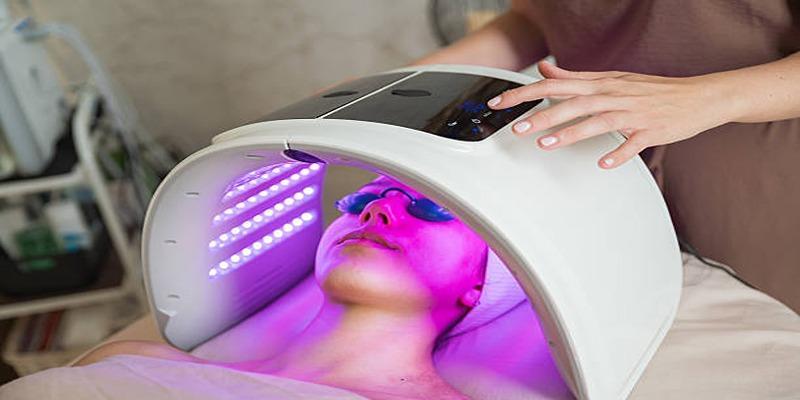
The science behind light therapy is rooted in how skin cells respond to light energy. When cells absorb light, they increase energy production, which helps them repair damage, regulate inflammation, and maintain balance. Improved circulation further supports skin renewal, helping reduce redness, swelling, and irritation over time. Consistent sessions often bring gradual and steady improvement, making light therapy a viable complement to standard skincare routines.
Common Skin Conditions Treated
Light therapy can be applied to a wide range of skin concerns, offering gentle, targeted care. For acne, the combination of red and blue light can help reduce active breakouts, calm inflammation, and prevent new blemishes without the harsh effects of topical chemicals. Users often report smoother skin and fewer flare-ups after several sessions. Psoriasis sufferers may find relief as light therapy slows rapid skin cell growth, reducing scaling, redness, and itching. Eczema, which often leads to dry, itchy, and inflamed skin, can also respond positively; light therapy helps calm overactive skin responses and strengthens the skin barrier, especially when paired with moisturizing routines.
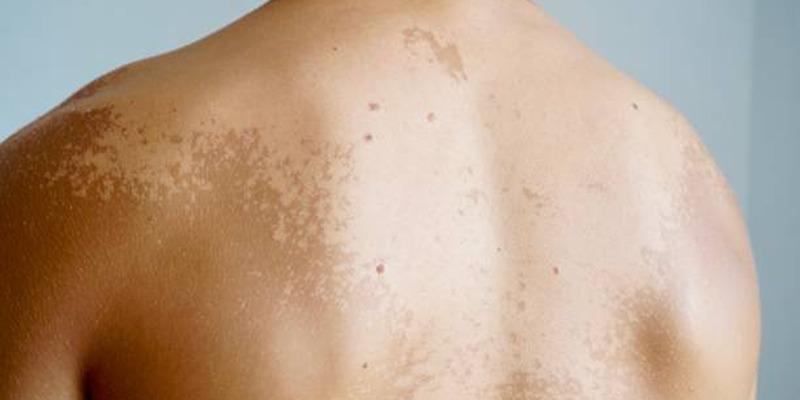
Hyperpigmentation, which appears as dark patches or uneven skin tone, can improve gradually with light therapy. Red light supports circulation and encourages even skin turnover, helping balance pigmentation over time. Rosacea, characterized by redness, visible vessels, and sensitivity, may benefit as light therapy calms irritated skin, reduces redness, and supports stronger skin structure. In all cases, consistent application is crucial for noticeable improvement, and light therapy is most effective when integrated into an overall skincare regimen.
Benefits of Light Therapy
One of the main advantages of light therapy is that it is non-invasive. Sessions are comfortable, require no recovery time, and can easily fit into a daily routine. Unlike harsher treatments, it minimizes irritation and stress on the skin, making it suitable for long-term use.
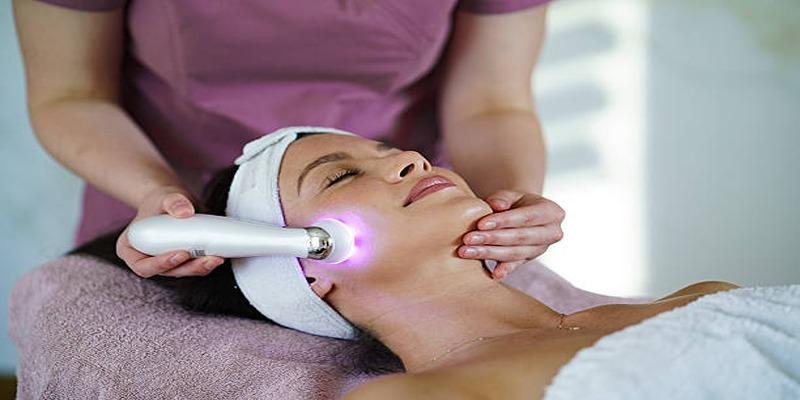
Light therapy generally has minimal side effects. Mild warmth or temporary redness may occur during or after treatment, but these usually fade quickly. Following professional guidance ensures safety and comfort, including proper eye protection. Over time, light therapy stimulates the skin’s natural healing mechanisms, supporting firmness, smoothness, and overall skin health.
Another key benefit is that light therapy works gradually with the body, producing natural-looking results. Rather than offering instant transformation, it enhances the skin’s own repair processes and promotes balanced, healthy skin over time.
Risks and Considerations
Despite its benefits, light therapy has limitations. Severe conditions, deep scars, or very sensitive skin may require additional treatments or professional supervision. Consistency, correct light type, and appropriate session duration are critical for effective results. Users should maintain realistic expectations: light therapy supports improvement but does not promise instant change. Combining therapy with good cleansing, hydration, and skin protection enhances results.
Consultation with a trained professional is recommended before beginning light therapy, particularly for UV treatments or for individuals with pre-existing skin conditions. Monitoring skin response, following safety guidelines, and adjusting sessions as needed are essential for maximizing benefits and preventing irritation.
Who Can Benefit
Light therapy is suitable for a wide range of people, especially those with mild to moderate skin concerns seeking gentle, non-invasive solutions. Individuals who prefer low-maintenance routines, wish to reduce inflammation, or want to enhance their skin’s appearance without harsh chemicals may find it particularly appealing. Regular users often see steady improvement, appreciating the gradual and natural-looking results. Key factors affecting outcomes include skin type, sensitivity, treatment consistency, and adherence to professional guidance.
Conclusion
Light therapy provides a safe, non-invasive option for supporting skin health and managing common skin conditions. By targeting specific skin layers, it reduces irritation, promotes natural healing, and gradually improves tone and texture. While it is not a cure for every skin issue, many people experience meaningful improvements in acne, redness, eczema, psoriasis, hyperpigmentation, and rosacea through consistent treatment and proper guidance. When incorporated into a comprehensive skincare routine, light therapy offers long-term benefits with minimal side effects, supporting healthier, more resilient skin.








![5 Best Paid Surveys for Kids and Teens [Online Surveys]](static/image/2026/05/11/1945571a-d94c-4f6c-9d81-a136672793d2.png)