
The care industry is evolving through the use of technology, with a particular focus on caregiving for patients with dementia. Smart home solutions enable caregivers to enhance safety, improve communication, and promote independence. These smart home tools bridge practical care with modern convenience, enhancing comfort and integration for both patients and their families.
Dementia Care Needs in a Modern World
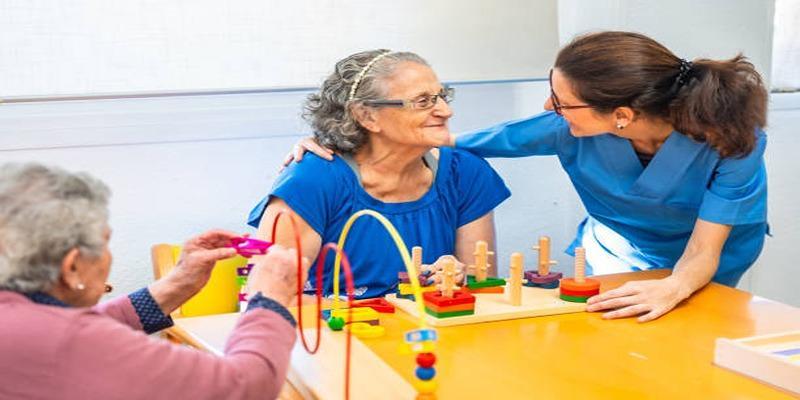
Dementia is a disorder that is experienced by millions of individuals globally. It affects recollections, communication, decision-making, and daily operations. Every stage of the condition has new caregiving requirements. Initial levels can involve reminders and organization, whereas later levels may require additional measures, such as constant monitoring and caution.
Frequently, caregivers, whether family or professional, have a difficult time walking that fine line between preserving the individual's independence and ensuring their safety; between maintaining their personhood and maintaining their safety.
Technology could prove helpful. The aim of smart home devices is not to substitute for care, but to complement it; to make the process both safer and less risky, while also providing a sense of security.
How Smart Home Technology Transforms Dementia Care?
Smart home technology refers to the interconnection of devices that help automate, monitor, or facilitate tasks around a home more easily. Considering the dementia care context, these devices can perform four fundamental functions:
- Ensuring physical safety.
- Aiding self-care activities.
- Culminate stress among the caregivers.
- Improving emotional and social well-being.
Innovative technologies can be tailored to the individual needs of a person, unlike one-size-fits-all approaches. It can serve as a reminder, a monitoring tool, or an interactive engagement, but it provides an environment that adapts in response to the demands of dementia.
Creating Safer Living Environments
Among the top priorities in dementia care are safety concerns. People can forget to switch off gas stoves, venture out at night, or slip and fall on dark streets. Smart home solutions offer preventative measures.
- Door and Window Alarms: These are alarms that send instant alerts when people or objects move unusually, preventing wandering at night.
- Automatic stove killers: They eliminate accident incidents in the kitchen by curbing absent-minded cooking, by switching off devices and appliances.
- Fall detection systems: Intelligent sensors or wearable devices will be able to detect abrupt movement and alert caregivers immediately.
- Bright lighting: Lamps illuminate pathways slowly at night, reducing the risk of disorientation and falls.
Implementing these solutions at home means that caregivers will no longer be filled with fear of potential accidents, and the individual will also have increased space to navigate the place safely.
Promoting Independence Through Everyday Assistance
The loss of independence may have a profoundly negative impact on self-esteem and emotional stability. Smart home devices enable people to perform daily activities with minimal intervention, thereby promoting dignity and autonomy.
- Voice assistants: These tools will provide voice notifications to remind you to eat, drink water, or attend a doctor's appointment. They are also able to respond to simple questions, eliminating frustrations.
- Medication dispensers, alerted: Automated pillboxes are used to dispense doses at designated times and send reminders to avoid missing or taking two doses.
- Calendars and visual cues: Intelligent interfaces provide gentle reminders for eating, washing, and household tasks.
- Streamlined intelligent appliances: The units will be developed with user-friendly gauges that enable people to perform operations (such as cooking or entertainment) with ease.
These solutions facilitate thinking and enable the caregivers to take a step without threatening safety.
Supporting Caregivers Through Remote Monitoring
The level of supervision is something that tends to wear out caregivers. Remote observability instruments offer a form of reassurance and flexibility of control that extends beyond being physically present.
- Privacy-capable smart cameras: These devices are designed to enable caregivers to easily monitor their loved ones in times of need.
- Motion and activity monitors: With these monitors, caregivers can be notified of abnormal patterns or possible health issues by tracking sleep, movement, bathroom use, and other activities.
- Wearables (that have GPS features): Location tracking ensures they respond promptly in case of wandering, alleviating worry among family members.
Such technologies provide caregivers with peace of mind, as they are assured of being able to monitor health and safety, regardless of their physical presence.
Enhancing Emotional Connection and Engagement
It is equal to physical safety as emotional well-being. Dementia may cause confusion, loneliness, and anxiety. Innovative technologies are increasingly focused on promoting interactions and minimizing isolation.
- Digital memory aids, such as interactive photo frames or applications with customisability, will feature recognisable faces, names, and voices, contributing to stimulating memory retrieval.
- Music and entertainment system: Custom playlists or voice-activated games can promote relaxation and cognitive function.
- Video calling services: Simple communication devices will help to connect more with people you love and feel less separated.
These technologies provide emotional support to individuals with dementia, thereby enhancing their quality of life by offering comfort and engagement.
Factors in Choosing the Right Technology
Not every device is effective, and one cannot rush to adopt innovative home technology without careful consideration. Important factors include:
- Severity of pathology in the dementia stage: Solutions needed should correspond to the individual's requirements and vary over time.
- Privacy/Dignity: The monitoring systems must strike a balance between supervision and respect for individual privacy and dignity.
- Scalability and affordability: starting with the necessary equipment allows for keeping costs down, with the option of scaling it up in the future.
- Stable support: Customer care and troubleshooting make all the difference.
Technology is a powerful resource that can be used to one's advantage, rather than a frustrating channel, through proper planning.
Future of Dementia Care with Smart Homes
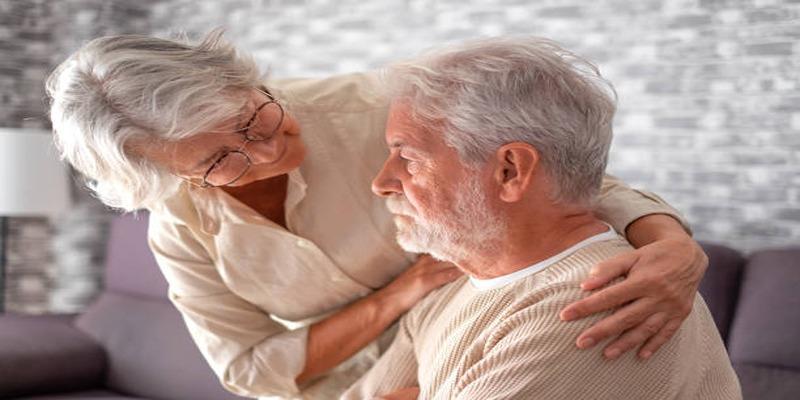
The future of dementia care is shifting towards individualized care. The integration of emerging technologies, such as artificial intelligence, predictive analytics, and adjustable environments, will likely design houses that cater to individual needs in advance. One way to achieve this is to have a system that can detect initial signs of agitation and adjust the lighting, temperature, or background music to create a soothing environment.
These innovations are huge with prospects. But that notwithstanding, even such sophisticated technology is to be directed by compassion. House-human touch, emotional support, and patience will all be critical parts of care.
Conclusion
Dementia caregiving is a journey marked by challenges, but also opportunities for innovation and compassion. Smart home solutions are transforming this landscape by enhancing safety, promoting independence, easing caregiver stress, and improving emotional well-being. When implemented thoughtfully, these technologies empower both caregivers and individuals with dementia.



![5 Best Paid Surveys for Kids and Teens [Online Surveys]](static/image/2026/05/11/1945571a-d94c-4f6c-9d81-a136672793d2.png)