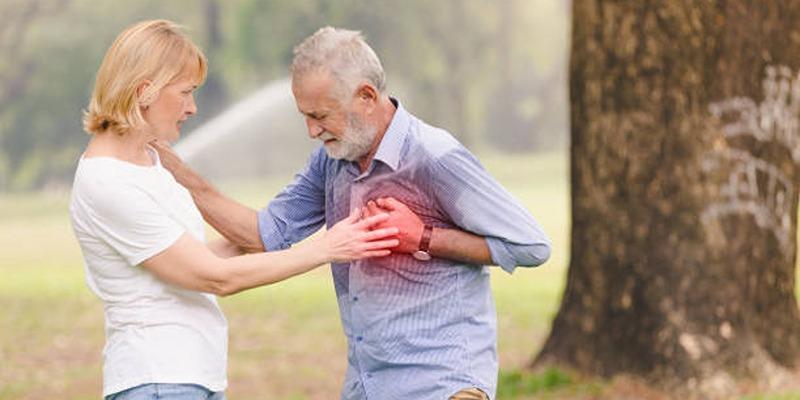
Recovering from a heart attack is rarely a straight line. Some days you may feel stronger and more optimistic; other days can bring fatigue or uncertainty. This is a normal part of heart attack recovery. Healing takes time, and progress often comes from steady, practical habits rather than dramatic change. The goal is not to overhaul your entire life overnight, but to gradually improve heart health through daily decisions that support your body’s repair process. When approached with patience and consistency, recovery becomes less intimidating and more empowering.

8 Ways to Improve Your Health After a Heart Attack
Improving your health after a cardiac event involves rebuilding physical strength, restoring emotional balance, and reducing risk factors that contributed to the problem in the first place. Each of the following areas plays a meaningful role in long-term heart health, and together they form a sustainable recovery framework.
Follow a Heart-Friendly Diet
Nutrition is one of the most controllable aspects of heart attack recovery. A heart-friendly diet emphasizes whole, minimally processed foods that provide steady energy and essential nutrients. Vegetables, fruits, and whole grains supply fiber, antioxidants, and vitamins that help support healthy blood vessels and cholesterol levels. Leafy greens, berries, oats, quinoa, and brown rice are practical additions to everyday meals.
Protein choices also matter. Fish—especially fatty varieties like salmon—offer omega-3 fatty acids that support cardiovascular function. Beans, lentils, and skinless poultry provide protein without excessive saturated fat. Replacing butter or highly processed oils with olive oil, nuts, and seeds can further improve heart health. At the same time, limiting sodium, sugary drinks, and heavily processed snacks helps reduce blood pressure and unnecessary strain on the heart. Rather than focusing on restriction alone, aim to build balanced meals that feel sustainable.
Stay Physically Active
Physical activity strengthens the heart muscle, improves circulation, and supports emotional wellbeing. After a heart attack, exercise should begin gradually and follow your healthcare provider’s guidance. Many people start with short, comfortable walks and slowly increase duration as endurance improves.
Light resistance training or supervised stretching can help maintain muscle tone and flexibility. The emphasis should be on regularity, not intensity. Consistent moderate activity is far more beneficial—and safer—than occasional strenuous effort. Paying attention to warning signs such as chest discomfort, dizziness, or unusual shortness of breath is essential. With time, movement often shifts from feeling cautious to feeling restorative.
Manage Stress Effectively
Stress can place additional pressure on the cardiovascular system. Following a heart attack, it is common to worry about symptoms or fear another event. Learning to manage stress is therefore a central part of improving heart health.
Simple breathing exercises practiced daily can calm the nervous system. Mindfulness, prayer, journaling, or quiet reflection may help reduce racing thoughts. Engaging in hobbies—gardening, listening to music, cooking, or spending time with supportive friends—provides emotional balance. Stress management does not eliminate challenges, but it can prevent prolonged tension from undermining recovery.
Monitor Your Blood Pressure and Cholesterol
Blood pressure and cholesterol levels are key indicators of cardiovascular risk. Even when you feel well, elevated numbers can silently increase the chance of future complications. Regular monitoring allows you and your healthcare team to make timely adjustments.
Home blood pressure devices make tracking easier between appointments. Routine blood tests help assess cholesterol levels and guide dietary or medication changes. When combined with healthy lifestyle tips such as improved nutrition and physical activity, careful monitoring supports long-term stability and reduces uncertainty about your progress.
Take Medications as Prescribed
Medications prescribed after a heart attack are not optional additions; they are essential components of heart attack recovery. These medicines may prevent blood clots, control blood pressure, regulate heart rhythm, or lower cholesterol. Their protective effects depend on consistent use.
Using a pill organizer, setting phone reminders, or linking medication times to daily routines can improve adherence. If side effects occur, consult your healthcare provider rather than discontinuing the medication independently. Adjustments can often be made safely. Reliable medication use significantly lowers the risk of another cardiac event.
Quit Smoking and Avoid Smoke Exposure
Smoking damages blood vessels, reduces oxygen delivery, and accelerates plaque buildup. Quitting smoking is one of the most powerful ways to improve heart health. Benefits begin quickly, with improved circulation and gradual reduction in cardiovascular risk.
Professional counseling, nicotine replacement therapy, or structured cessation programs can provide practical support. Avoiding secondhand smoke is equally important, as even indirect exposure affects blood vessels. While quitting may require determination, it offers lasting protection for your recovering heart.
Get Adequate Sleep
Sleep is an active healing process. During restful sleep, the body regulates stress hormones, repairs tissues, and stabilizes blood pressure. Chronic sleep deprivation can elevate inflammation and strain the cardiovascular system.
Establishing a consistent bedtime routine, limiting screen exposure before bed, and keeping the bedroom quiet and dark can improve sleep quality. Most adults benefit from seven to nine hours of sleep per night. Treating rest as a priority rather than a luxury supports both physical and emotional recovery.
Regular Checkups and Cardiac Rehabilitation
Ongoing medical follow-up ensures that heart attack recovery remains on course. Regular appointments allow your provider to assess heart function, review medications, and address concerns early.
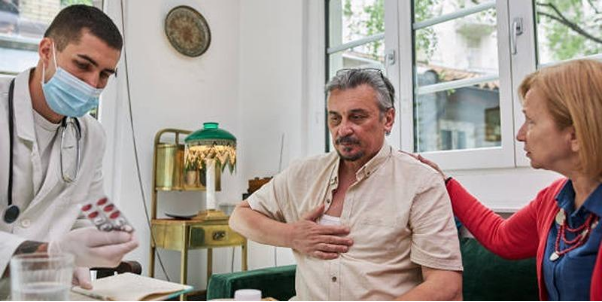
Cardiac rehabilitation programs offer structured exercise, nutrition education, and emotional support under professional supervision. Many patients report that these programs rebuild confidence as much as physical strength. Knowing that trained professionals are monitoring progress can ease anxiety and encourage steady improvement.
Conclusion
Recovering after a heart attack requires patience, steady effort, and realistic expectations. By focusing on balanced nutrition, consistent physical activity, stress management, medication adherence, and regular medical care, you can meaningfully improve heart health. Small, repeated actions gradually strengthen the heart and lower the risk of future problems. With thoughtful commitment to these healthy lifestyle tips, heart attack recovery becomes not only possible but sustainable, allowing you to move forward with greater confidence and resilience.