Start With Your Selling Priorities
Before checking prices, decide what matters most in the sale. If you want the highest possible payout, you may need to photograph the device, write an accurate listing, answer questions, and wait for the right buyer. If you value speed, a buyback service or trade-in program may be more suitable, even if the offer is lower. Convenience, payment timing, safety, and the amount of work you are willing to handle all affect the best choice.
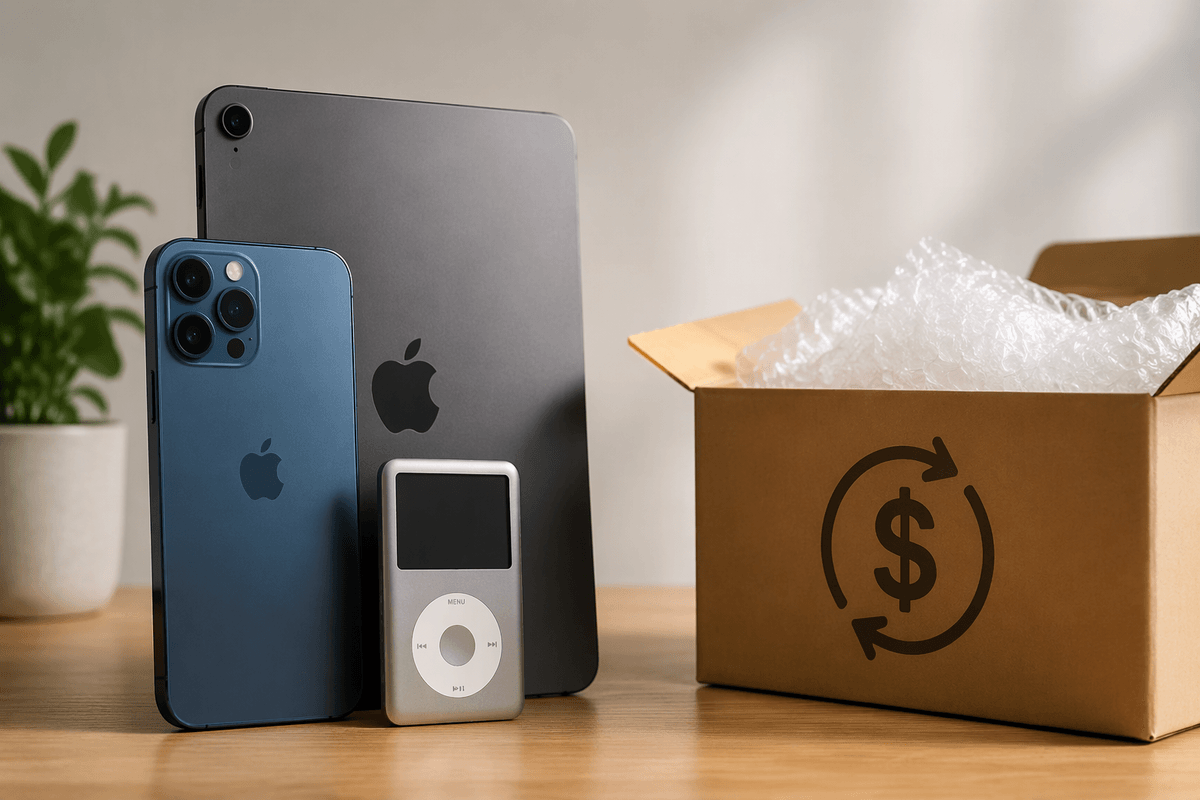
Condition and urgency also shape that decision. A recent iPhone in excellent condition may justify selling directly, while an older iPod or damaged iPad may be easier to move through a buyback service. Set a minimum acceptable price and a realistic deadline before comparing options. That keeps a slightly higher offer from seeming worthwhile when it requires weeks of messages, shipping risks, or unexpected fees.
Check What Your Device Is Worth
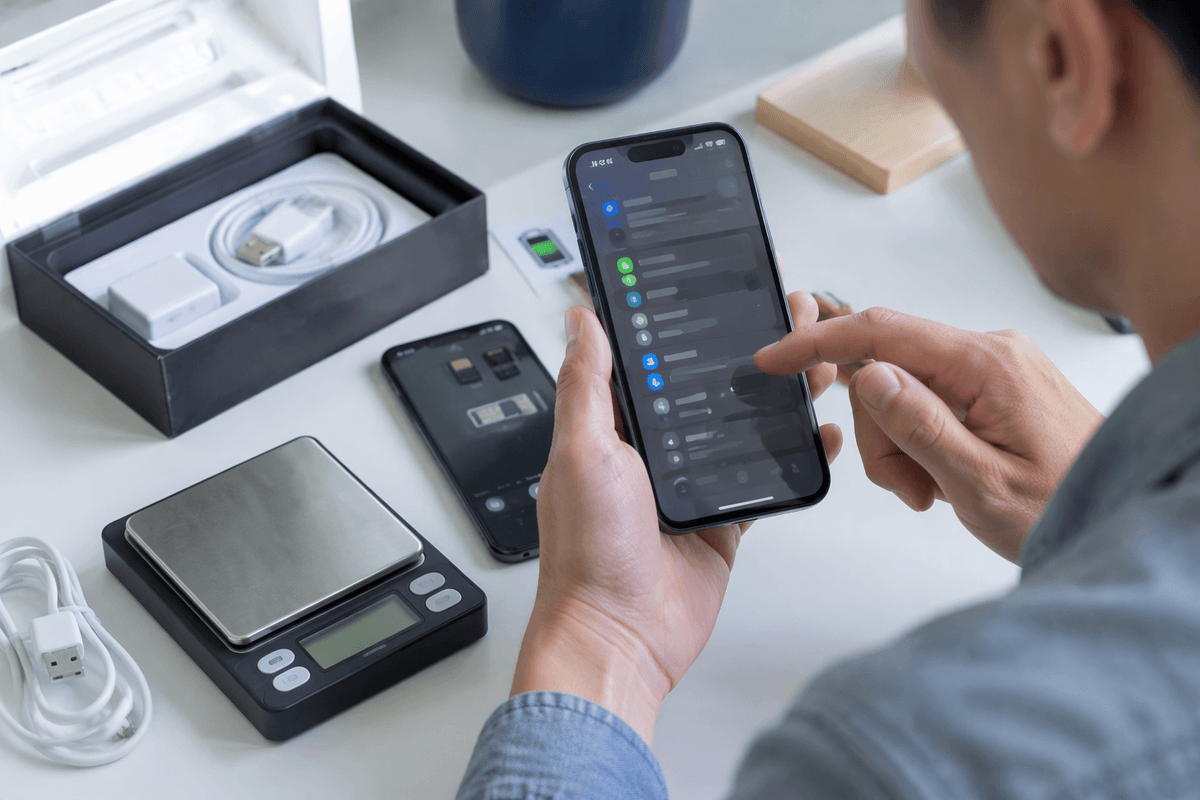
Start with the exact model, storage capacity, connectivity, and condition. An iPhone 13 with 128GB is not valued the same as a 256GB version, and a Wi-Fi iPad usually attracts a different offer than a cellular model. Check the model number in Settings, then note battery health, screen damage, camera function, charging performance, and whether accessories or the original box are included. These details can change the estimate more than cosmetic wear alone.
Compare several current offers rather than relying on a single advertised price. Marketplace listings may show ambitious asking prices, but completed sales provide a more realistic guide. Buyback quotes are often lower because they account for testing, returns, resale costs, and risk. Also check whether the first quote is conditional on inspection; a company may reduce payment after finding a cracked screen, weak battery, or activation lock. Use the lowest credible offer as a baseline and treat higher prices as compensation for extra work, slower payment, or greater buyer risk. That gives you a practical value range before choosing where to sell.
Compare Marketplaces, Buyback Sites, And Trade-Ins
Online marketplaces usually offer the highest potential price because you sell directly to another person. You control the listing, price, photos, and terms, but you also handle questions, payment, shipping, and the risk of a buyer disputing the transaction. Local sales can remove shipping concerns and provide faster payment, though meeting strangers and accepting cash or payment apps requires caution.
Buyback sites are simpler. You receive a quote, ship the device, and wait for inspection and payment. The offer may be lower, but the process is more predictable and works well for older models, minor damage, or sellers who do not want to negotiate. Read the terms carefully, especially the inspection rules, return window, payment method, and whether shipping is insured.
Trade-ins are often the most convenient when you already plan to buy another device. The credit can reduce the cost of an upgrade, but it may not equal the cash value available through a direct sale. Compare the trade-in credit with at least one buyback quote and one realistic marketplace price. The difference shows what convenience is costing you.
Choose Between More Money And Less Hassle
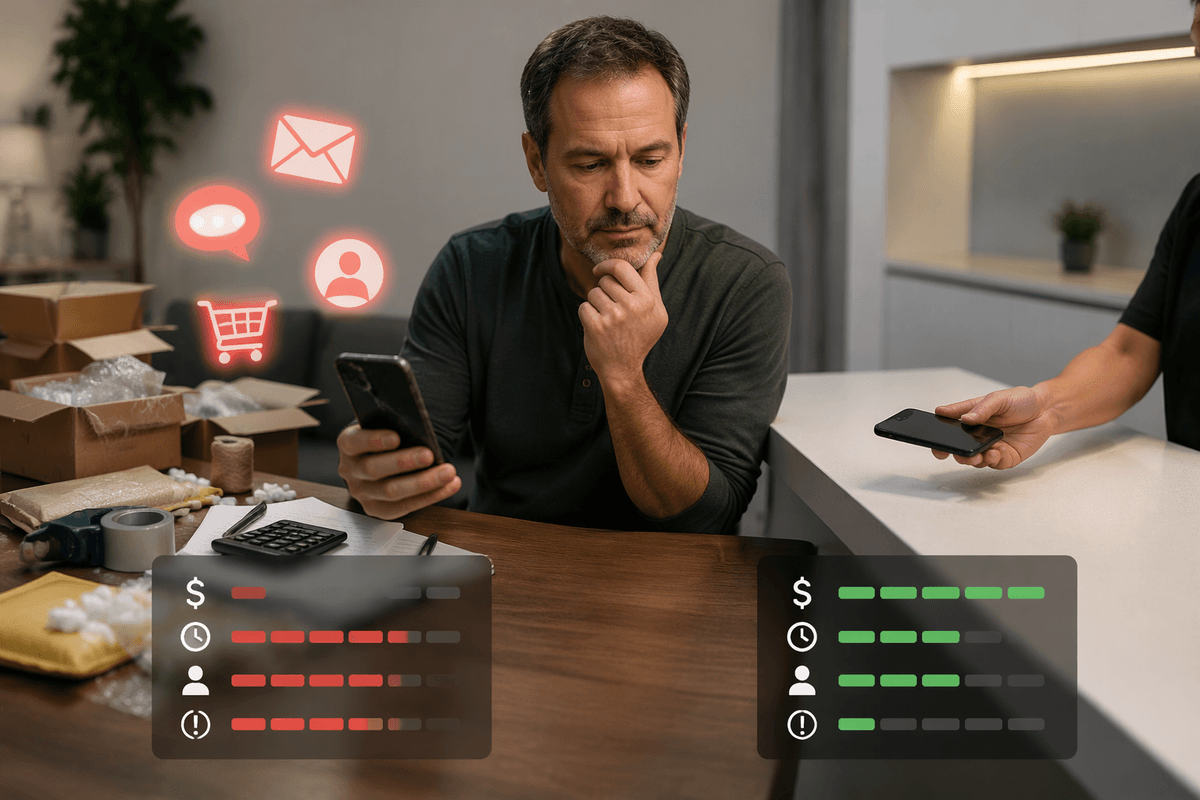
The gap between a direct-sale price and a buyback offer is not automatically your profit. A marketplace listing may bring in more money, but that amount can shrink after shipping materials, selling fees, insurance, price negotiations, and the time spent answering messages. You also carry more responsibility if the buyer claims the device was not as described. A local sale avoids shipping and may produce cash the same day, but arranging a safe meeting and confirming payment still requires effort.
Buyback services and trade-ins usually exchange some value for a clearer process. You may accept less than the best private-sale price, but you avoid creating a listing, screening buyers, and waiting for a sale. That trade-off is often reasonable for an older device, a model with visible wear, or a seller who needs a predictable outcome. For a newer iPhone in excellent condition, direct selling may justify the extra work. Compare the expected net payment, not the headline offer, and decide whether the difference is worth your time, risk, and inconvenience.
Sell Safely Without Losing Your Data
Before handing over an iPhone, iPad, or iPod, protect your information first. Create a current backup, sign out of Apple Account, turn off Find My, and erase all content and settings. Removing the device from your account is essential because Activation Lock can prevent the buyer from using it and may leave you dealing with follow-up messages. If the device uses a physical SIM card, remove it. For an eSIM, follow the erase process carefully and confirm that your cellular plan remains active on the replacement device.
Keep evidence of the device’s condition and the sale. Photograph the screen, body, serial number, and packaging before shipping, then use tracked shipping with insurance when the selling service does not provide it. On a marketplace, avoid buyers who request unusual payment methods, overpay and ask for a refund, or pressure you to move communication outside the platform. For local sales, meet in a public location and confirm that payment has cleared before releasing the device. A secure sale may take a few extra minutes, but recovering lost data, disputing a fraudulent payment, or resolving an activation problem can cost far more than any small increase in price.
Match The Selling Method To Your Device
A newer iPhone in excellent condition usually benefits from a direct marketplace sale, especially when storage capacity and battery health make it attractive to buyers. A recent iPad may also justify that extra effort if it includes cellular service, a keyboard, or a high-capacity configuration. Use clear photos and detailed condition notes because buyers of higher-value devices are more likely to compare listings closely. The possible gain is larger, but so are the consequences of inaccurate descriptions, payment disputes, and shipping damage.
Older iPhones, basic iPads, and iPods often fit buyback services better. Their private-sale prices may not exceed the service’s quote by enough to justify listing work, buyer questions, and waiting. Trade-in programs make the most sense when the device is being replaced immediately and the credit is competitive with a cash offer. A damaged device may require a specialized buyer or recycling route if repair costs reduce its value too sharply. Match the method to both the device and your deadline: valuable and desirable models can support more effort, while low-value or problematic devices usually favor speed and simplicity.
Make The Final Choice With Confidence
Make the decision by comparing each option against the same four measures: expected net payment, time required, payment speed, and risk. A marketplace may lead on price but require more work. A trade-in may offer less cash but simplify an upgrade. A buyback service may be the sensible choice when the device is older, damaged, or needed out of your way quickly. Local sales can work well when avoiding shipping matters and you can meet safely.
Choose the option that fits your priorities, not the highest advertised number. Confirm the final quote, fees, inspection terms, payment timing, and data-erasure requirements before accepting. If the extra money from a private sale does not clearly justify the added effort and risk, take the simpler route. A successful sale leaves you with a fair return, no account lock, and no unresolved surprises.