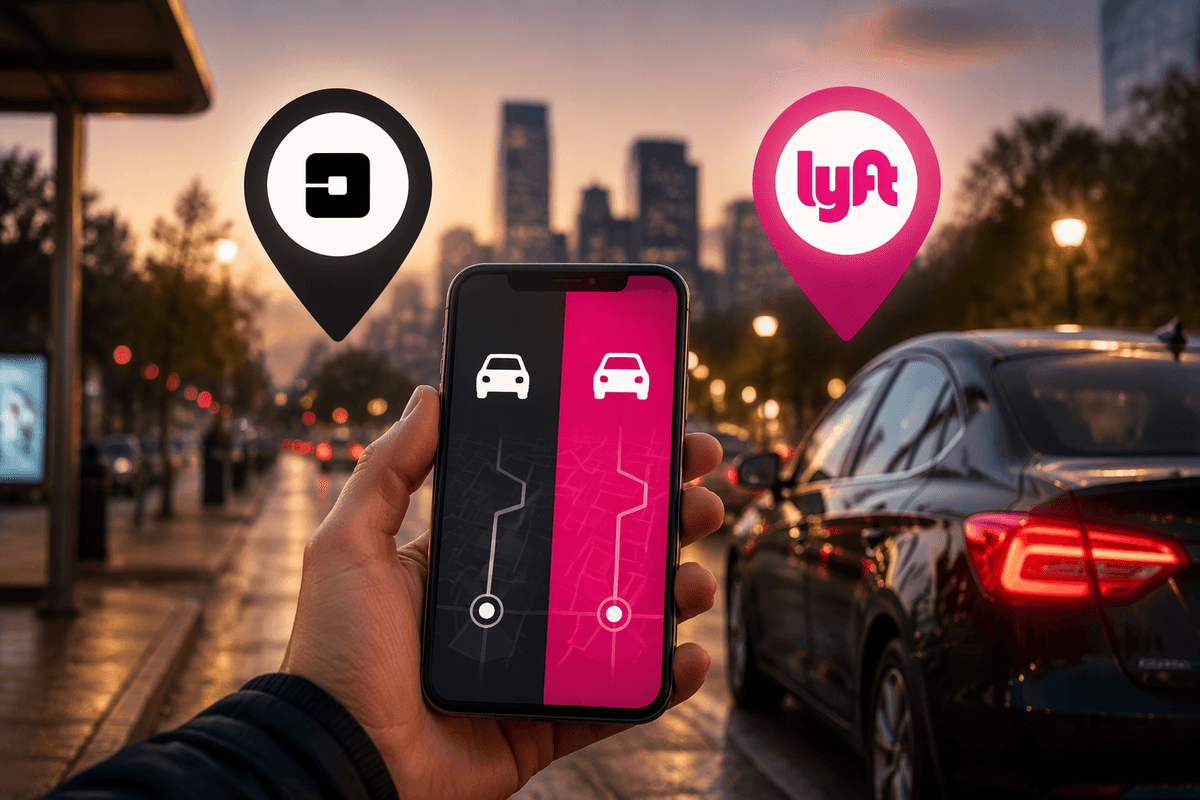
Choosing Between Uber and Lyft Starts Locally
Ask two people which is better, and you may get opposite answers. That is not necessarily because one app is universally superior. Uber and Lyft can perform differently from one city, suburb, or neighborhood to another, depending on driver supply, local demand, airport rules, and how widely each service is used.
A platform that is quick and affordable during a weekday commute may be less dependable late at night or during a large event. Your usual pickup area matters too: one app may have more nearby drivers, while the other may offer clearer pickup instructions or steadier prices. Comparing both over several real trips gives a more useful answer than relying on national reputation or a single discounted ride.
Which App Usually Finds a Ride Faster?

When you request a ride, the fastest app is usually the one with more nearby drivers at that exact moment. Uber may find a car sooner in a busy downtown area, while Lyft may respond faster in a neighborhood where its driver base is stronger. The difference can change within minutes as commuters leave work, a concert ends, or rain increases demand.
Compare more than the first wait estimate. Check how long the app takes to match you with a driver, whether the pickup time changes after matching, and how accurately the driver can reach your location. A five-minute estimate is not especially useful if it becomes twelve minutes after you book. Airport pickups and late-night trips can expose larger differences because designated pickup zones, limited driver supply, and local operating rules add delays. Checking both apps before confirming usually gives you a better read than assuming one service is always faster.
The Fare You See Is Not the Final Story
The price shown before booking is useful, but it is only a snapshot of the trip at that moment. Uber and Lyft can apply surge or peak pricing when demand rises, and the difference may be noticeable during rush hour, bad weather, events, or airport departures. A fare that looks cheaper can also come with a longer pickup, while a slightly higher price may get you moving sooner. For short rides, service fees and minimum charges can make the total feel less predictable than the per-mile estimate suggests.
Compare the final amount, not just the initial quote. Check whether the estimate includes the same ride type, tolls, booking fees, and possible airport charges. If the trip changes because of traffic, a longer route, or an added stop, the final cost may differ from what you first saw. Discounts and membership benefits can also make one app cheaper for one rider but not another. The practical test is to compare both apps for the same route at the same time, then note the completed fare and how long the trip actually took.
Pickup Experience Matters More Than App Design
A polished app cannot compensate for a confusing pickup. In practice, the most useful features are often simple: a clear meeting point, accurate driver location, reliable notifications, and an easy way to describe where you are. Uber may provide better guidance in one airport or shopping center, while Lyft may make curbside pickups easier in another. The difference becomes obvious when several roads, entrances, or parking levels share the same address.
Pay attention to what happens after you request the car. Does the driver receive the right pickup pin? Can you adjust it without creating confusion? Does the app warn you when the driver has arrived, and can you identify the vehicle quickly? A low fare is less appealing if you spend ten minutes searching for the car or risk missing a flight. Pickup instructions can also depend on local rules, construction, and venue policies, so neither service is consistently better everywhere. After a few trips, note which app produces fewer calls, canceled matches, and awkward curbside waits.
What Riders Notice During the Trip
Once the car arrives, the comparison shifts from speed and price to how predictable the ride feels. Riders notice whether the vehicle is clean, the temperature is comfortable, and the driver follows the route without unnecessary detours. These details may seem minor on a short errand, but they matter more during a long commute, an airport trip, or a late-night ride when comfort and confidence affect the whole experience.
Uber and Lyft both rely on individual drivers, so ride quality can vary more from trip to trip than the brand name suggests. One driver may offer a smooth, quiet ride, while the next vehicle has limited legroom or a strong odor. Navigation can also create differences: the app may suggest a route that avoids traffic, but construction, road closures, or driver familiarity with the area can change the result. Pay attention to whether the estimated arrival time remains realistic, whether communication is easy, and whether the trip feels professionally handled without being intrusive.
For regular travel, consistency is usually more valuable than an occasional excellent ride. Keep track of which app more often provides clean vehicles, accurate routes, and a comfortable experience in your area.
Rewards, Receipts, and Support Can Tip the Choice
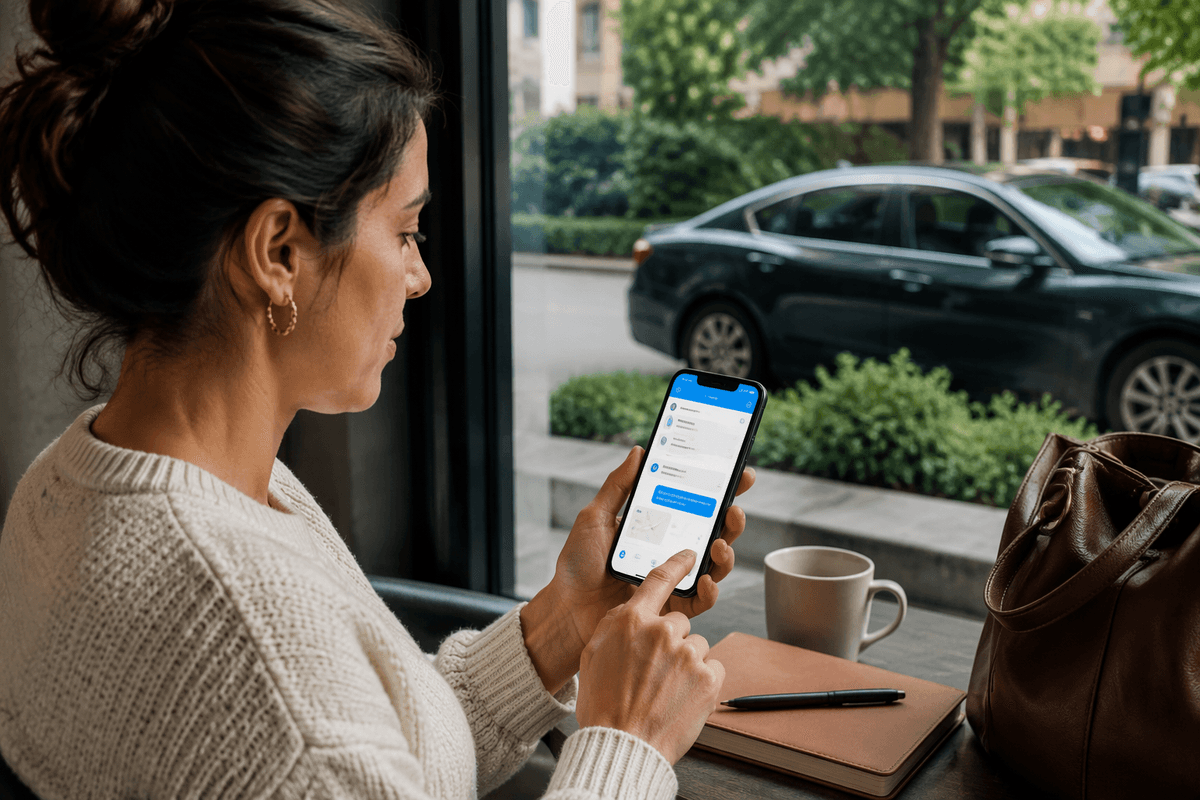
Small administrative details can shape whether one service feels easier to use over time. Rewards programs may reduce the cost of frequent rides, but their value depends on how often you travel, which ride types qualify, and whether points or discounts expire. A membership plan can make sense for regular commuters, yet it may add another monthly cost that occasional riders never recover. Compare the savings against your actual trips rather than assuming a rewards label automatically means a better deal.
Receipts and support are just as practical. Clear receipts make it easier to review business travel, split a fare, or challenge an unexpected charge. Support quality matters when a driver cancels, an item is left behind, or the final fare changes. Neither app guarantees a quick resolution every time, and complex issues may require repeated explanations or documentation. Still, one service may provide clearer trip records or a smoother help process in your area. If you use rideshare regularly, judge the complete experience after the ride ends, not only the moment the car arrives.
Use Both Apps Without Overthinking It
For most riders, the practical answer is not choosing one app forever. Keep both installed and compare them when the trip matters: a tight commute, an airport departure, a late-night pickup, or a fare that suddenly looks high. Check the quoted price, estimated pickup, driver availability, and pickup instructions, then choose the option that offers the better combination at that moment.
Over time, a simple pattern will emerge. You may prefer Uber near work, Lyft for errands, or whichever app has more reliable drivers after events. That pattern is more useful than broad claims about which company is better. The extra step takes less than a minute, although frequent comparisons can become inconvenient when you are in a hurry. Use both selectively, learn your local results, and let actual trips guide the choice.